
Peanut screw oil presses are widely popular due to their high oil extraction rate, high degree of automation, and suitability for large-scale oil mills. However, common malfunctions inevitably occur during actual operation. If not addressed promptly, these issues not only reduce oil extraction efficiency but may also shorten the machine’s lifespan.
This article will outline common operational problems encountered with peanut oil presses and their corresponding solutions.
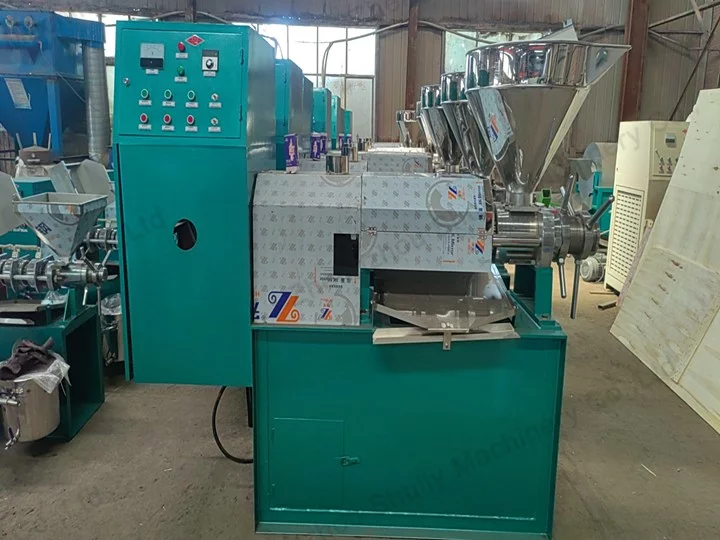
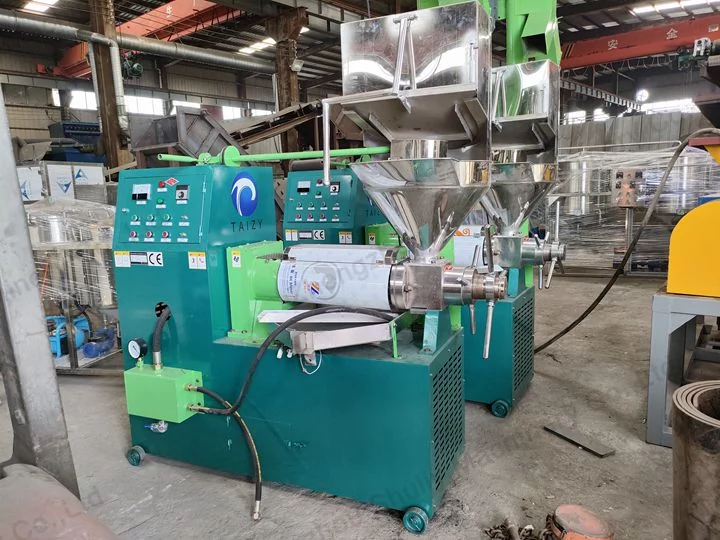
Oil yield decrease
Common causes:
Peanut moisture content is too high or too low
Insufficient chamber temperature
Severe screw wear
Solutions:
Maintain peanuts at appropriate moisture content (6%–8%)
Thoroughly preheat the chamber before startup
Regularly inspect and replace worn screws and press bars
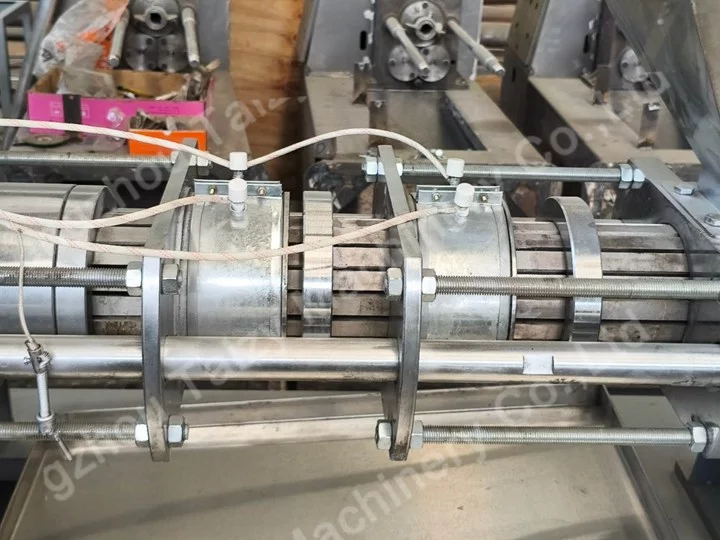
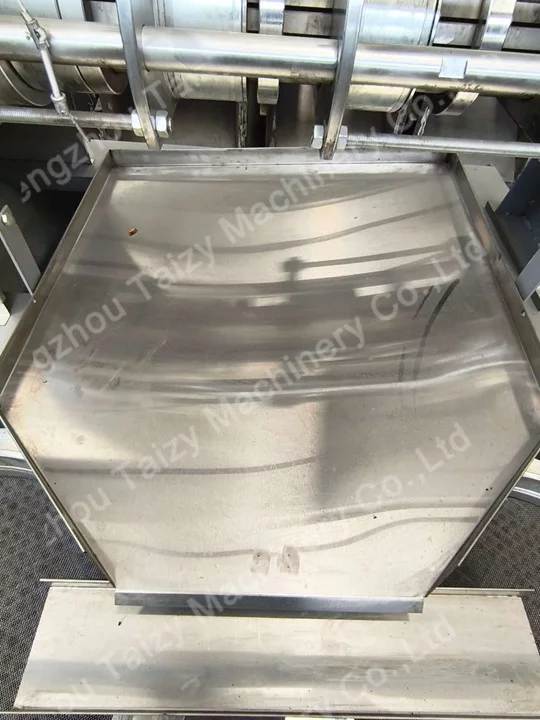
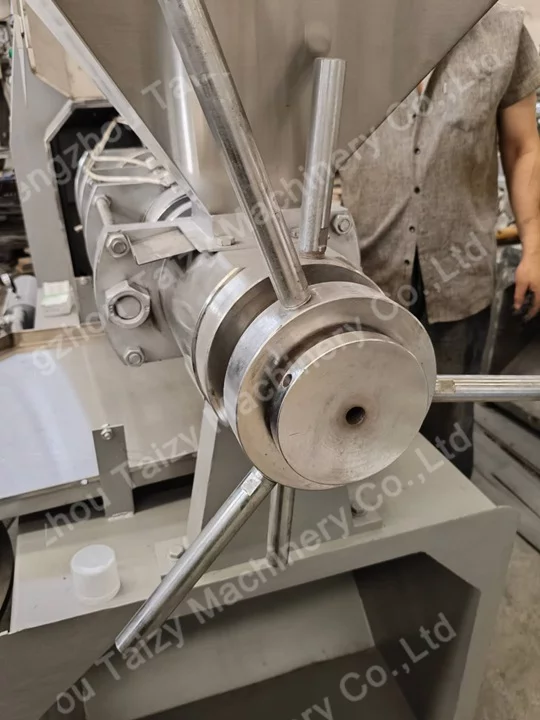
Machine malfunction or abnormal noise
Common causes:
Inadequate removal of impurities from peanuts causes hard objects to enter the crushing chamber
Lack of lubrication or damage to bearings
Poor screw conveyor operation
Solutions:
Thoroughly clean raw materials before use to remove impurities such as stones and metal fragments
Regularly apply lubricating oil; replace bearings when necessary
Adjust screw clearance to prevent jamming
Excessive oil residue content
Common causes:
Excessive gap between press rollers
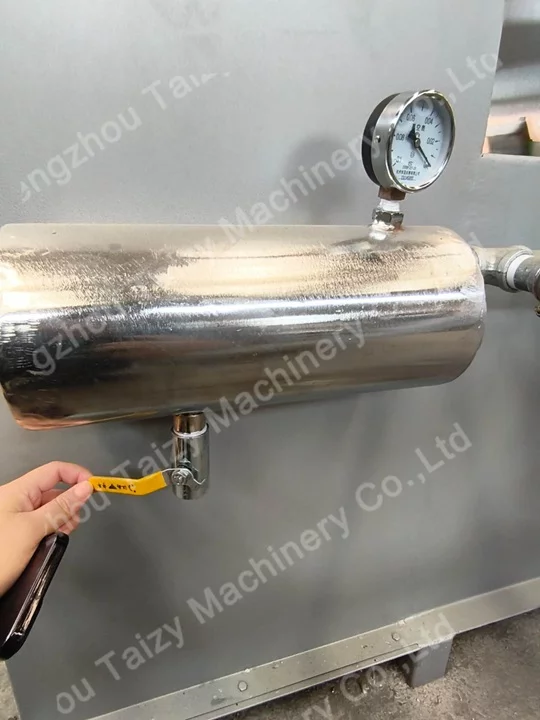
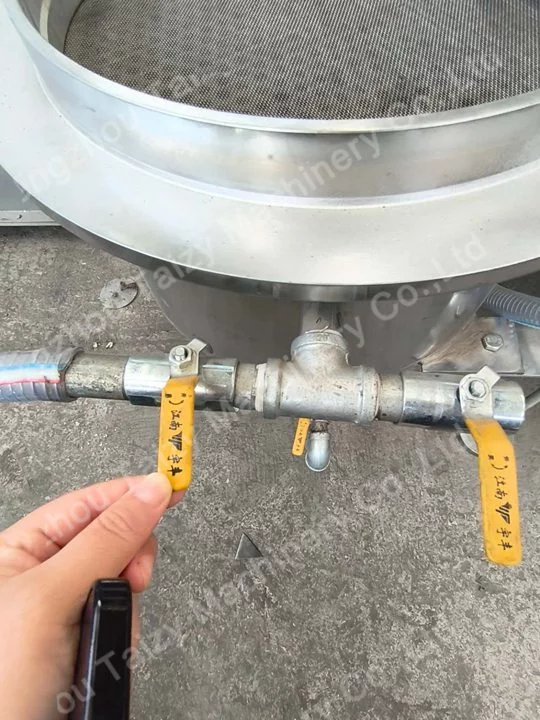
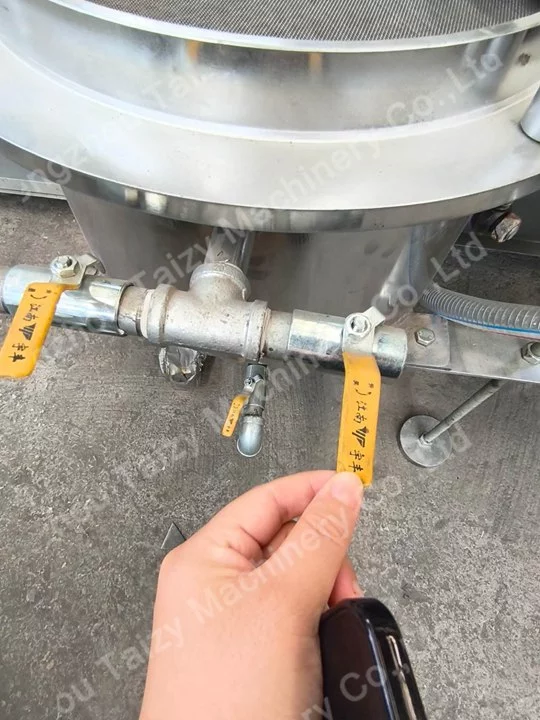
Damaged or clogged filter screen
Incomplete shell removal from
raw material
Solutions:
Adjust roller gap to maintain uniform pressure
Regularly clean or replace the filter screen
Improve the peanut shelling rate to ensure effective pressing
Motor overheating or insufficient power
Common causes:
Prolonged operation under overload conditions
Unstable voltage supply
Motor aging
Solutions:
Schedule workloads appropriately to avoid extended high-load operation
Ensure stable power supply; install voltage stabilizers if necessary
Conduct regular motor inspections and perform timely maintenance or replacement
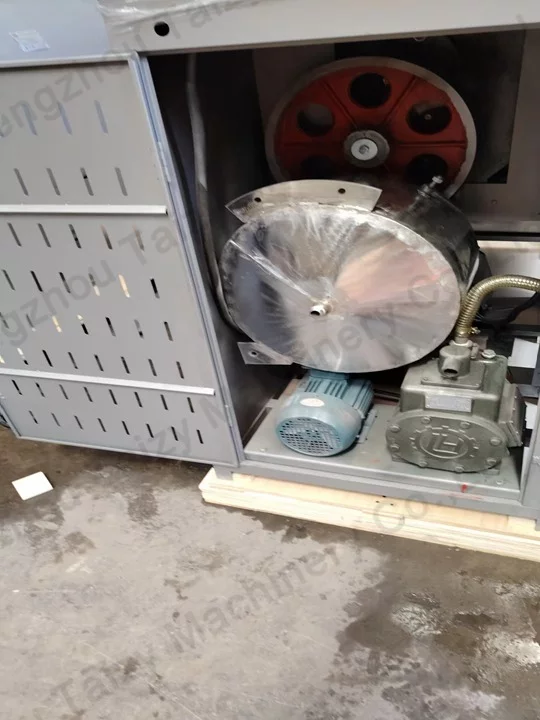
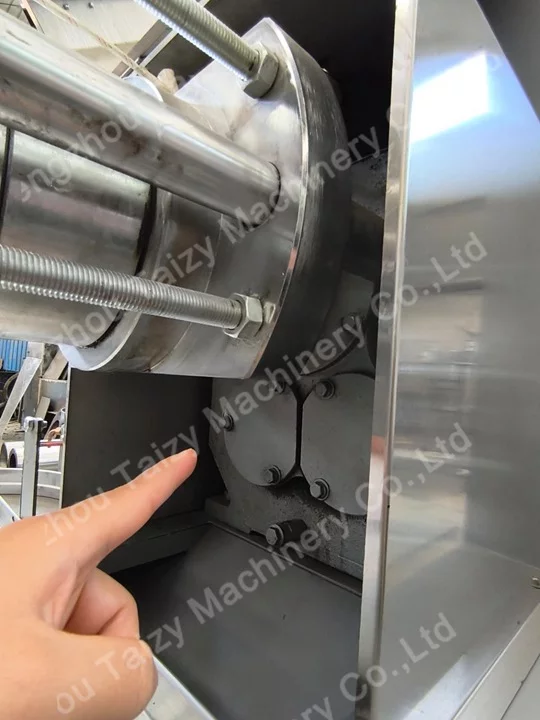
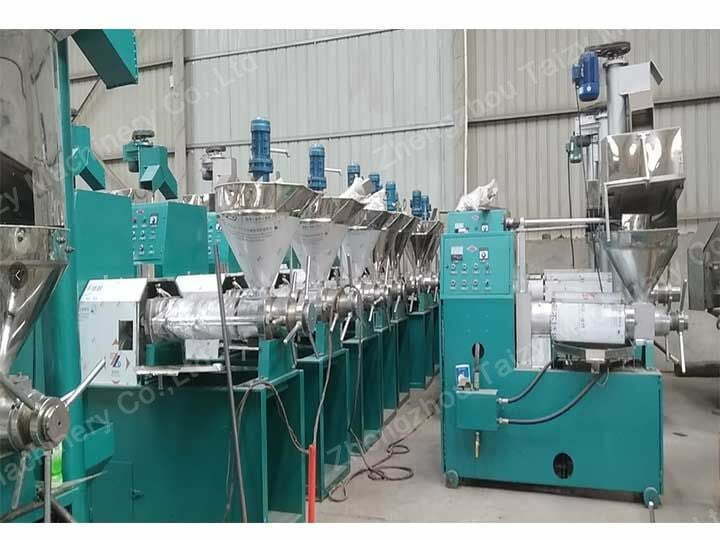
Advantages of using the Taizy peanut oil press
High oil yield: spiral pressing design is ideal for large-scale production in peanut oil mills.
Easy operation: high automation allows operation by just 1-2 people.
Versatile: not only presses peanuts, but also suitable for sesame, soybeans, sunflower seeds, and other oilseeds.
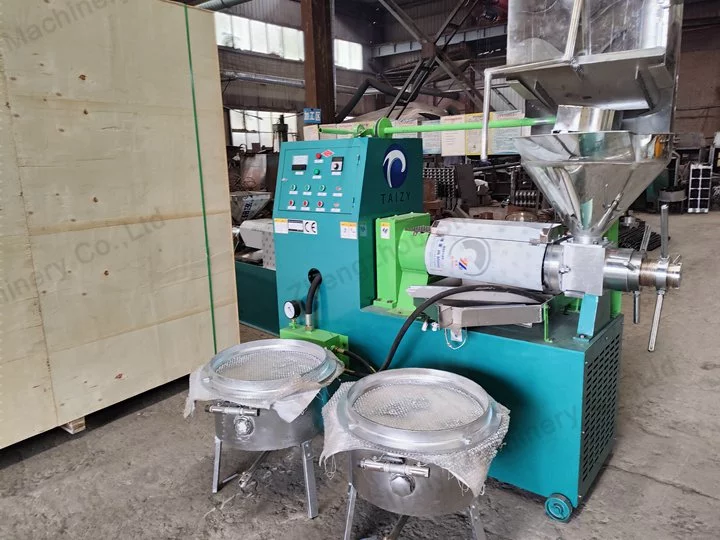
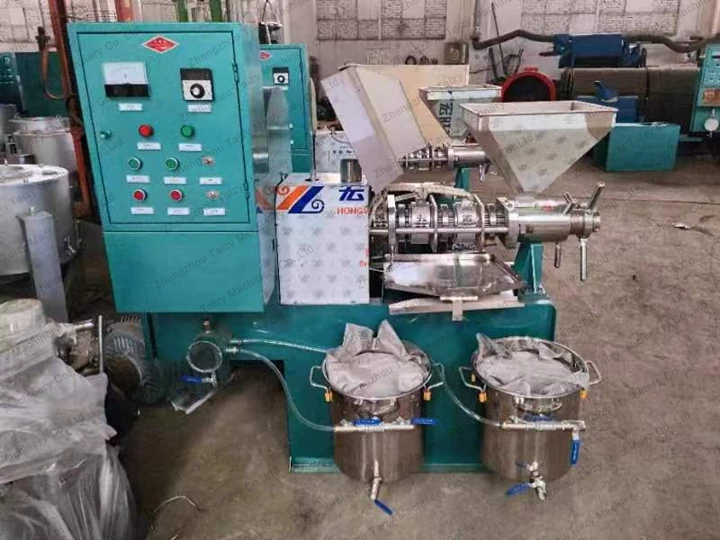
Summary
Malfunctions in peanut oil presses during production are inevitable. However, understanding the causes of common issues and their solutions can effectively reduce downtime and enhance oil extraction efficiency. Regular maintenance and proper operation are key to ensuring the stable performance of the oil press.
If you are seeking a high-efficiency, durable peanut oil press, please contact us for professional equipment and solutions.