
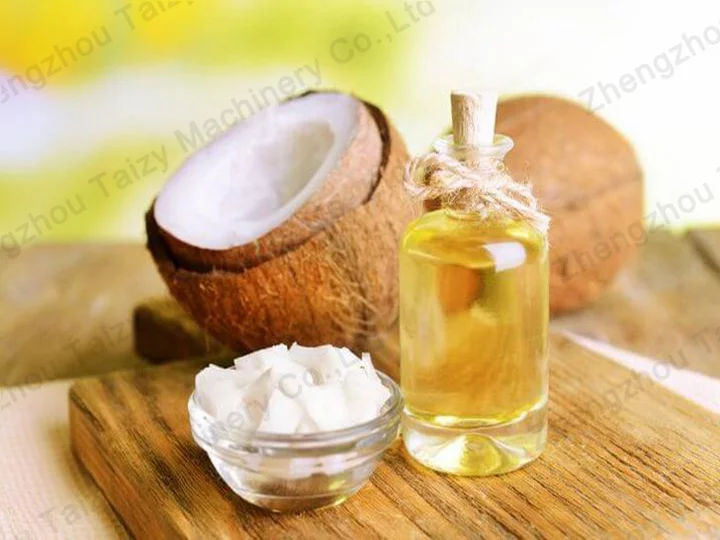
Coconut oil, as a natural vegetable oil, has a wide range of applications in food, beauty, and medicine. As consumer demand rises, the differences between different coconut oil processing methods are coming into focus.
Among them, ‘cold pressing’ and ‘hot pressing’ are the two most common oil production processes. So, which method is more suitable for processors to produce high-quality coconut oil?
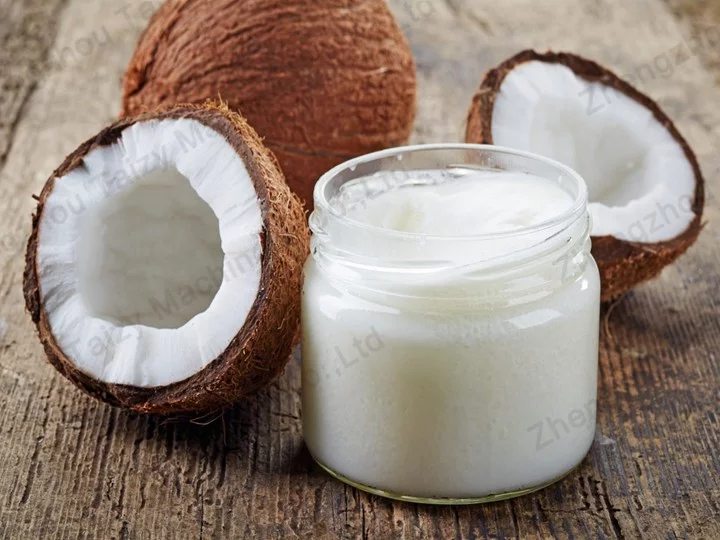
Basic differences between cold pressing and hot pressing
Cold Pressed
- Processing temperature: less than or equal to 50°C without significant heating
- Nutrient retention: maximum retention of vitamins, antioxidants
- Flavour and texture: the original aroma is more intense, with a clear texture and a hint of coconut
- Oil colour: light yellow or transparent white, natural colour
- Oil yield: low, generally 30-40 per cent
- Shelf life: short shelf life, needs to be sealed and kept refrigerated
- Application scenario: high-end edible oils, beauty oils, essential oil additives
Hot Pressed
- Processing temperature: high-temperature frying and then pressing, the temperature reaches 100~120 °C
- Nutrient retention: some nutrients are lost due to high temperature
- Flavour and texture: strong flavour, possibly with a stir-fry aroma
- Oil colour: darker in colour and thicker in grease
- Oil yield: higher, up to about 45-55 per cent
- Shelf life: long shelf life, suitable for room temperature storage
- Application scenario: food processing, soap manufacturing, industrial oils, etc.
Cold pressing is better suited to markets with high-quality requirements
Cold-pressed coconut oil retains a large amount of natural nutrients such as vitamin E, lauric acid, and antioxidant components due to its low-temperature processing. Therefore, it is widely welcomed by the market of organic food, beauty care, and baby products. Consumers are more likely to pursue the labels of ‘virgin’, ‘natural and unrefined ’, and ‘cold pressed’.
However, it is important to note that cold-pressing has a lower oil yield, higher production costs, higher requirements for raw material freshness and equipment stability, and is suitable for mid- to high-end positioning of the brand or export enterprises.
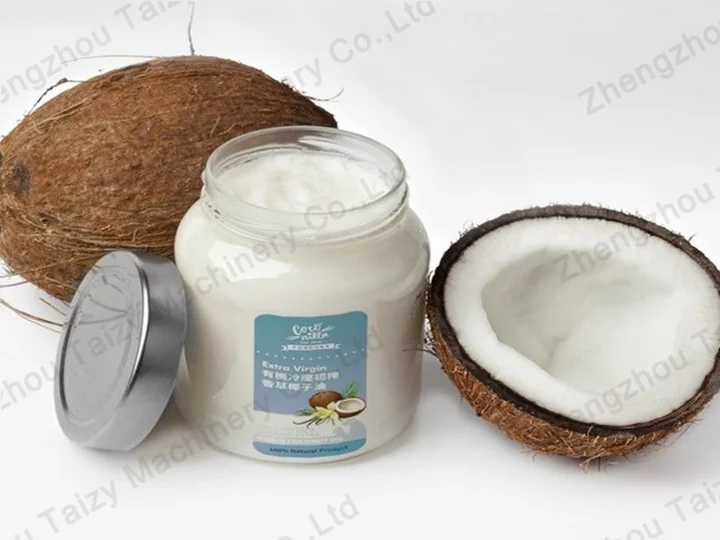
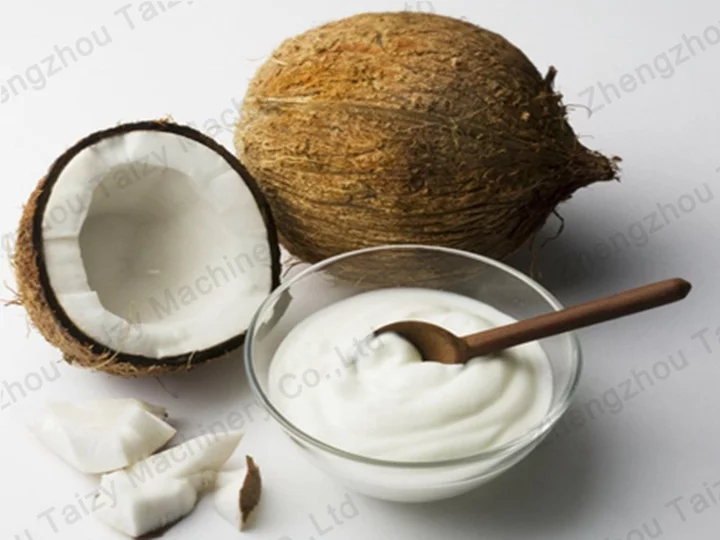

Hot pressing is more suitable for processors seeking yield and cost control
Hot pressed coconut oil, on the other hand, is suitable for the low to mid-market food industry, soap manufacturing, and other applications. Due to the high temperature frying, the oil yield is higher and the unit cost is lower, which is suitable for enterprises that need a stable supply of large quantities.
In addition, hot pressing is highly adaptable to raw materials, and the coconut dryness does not need to be controlled too finely. It is also more suitable for large-scale pressing plants in regions with abundant raw material supply, such as Southeast Asia and Africa.
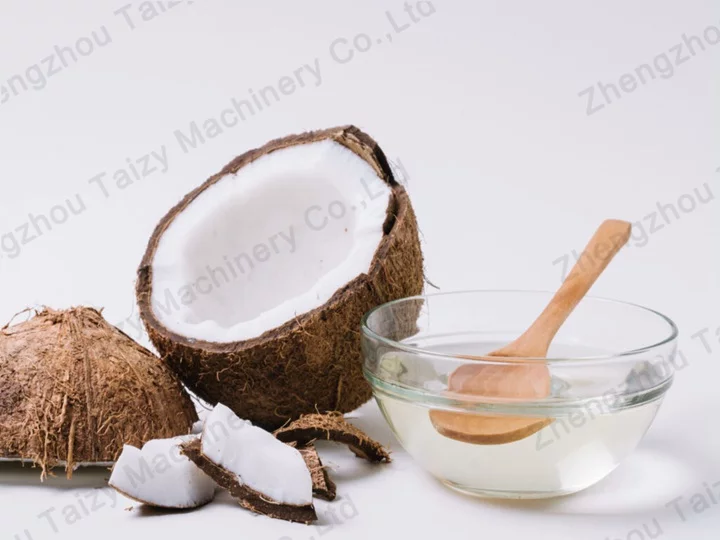

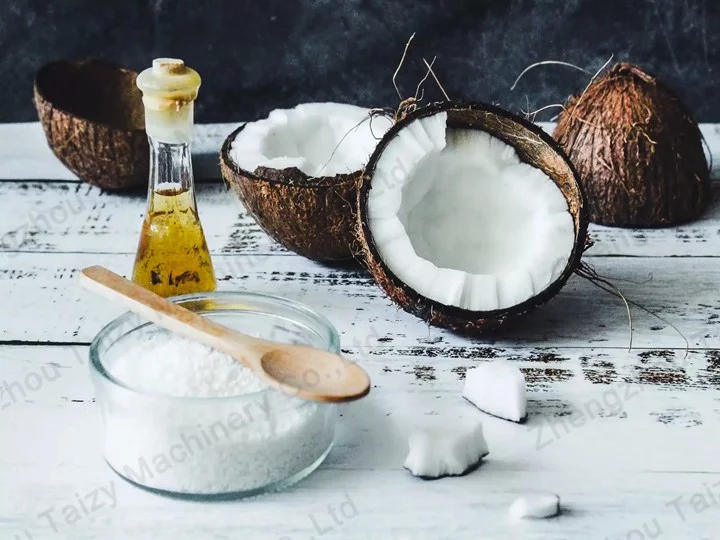
How to choose the right coconut oil extraction equipment?
We recommend that users choose the suitable oil extraction method according to their market positioning and product usage:
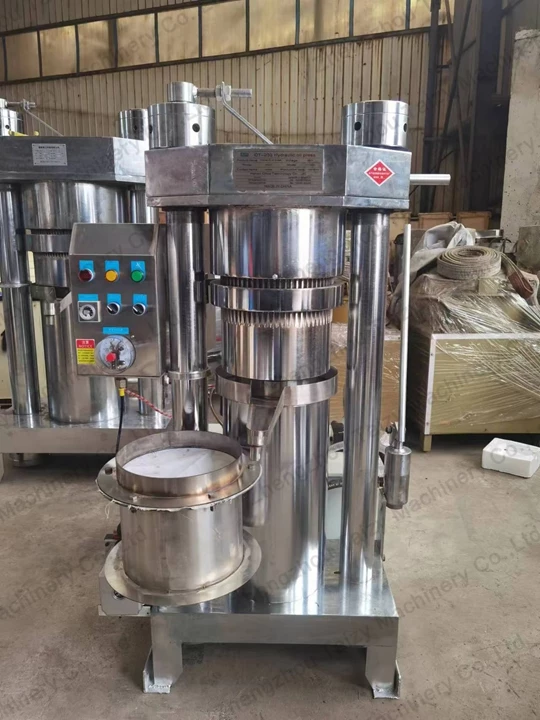
Recommended equipment for cold pressing: hydraulic press, low-temperature drying system, and fine filtration device.

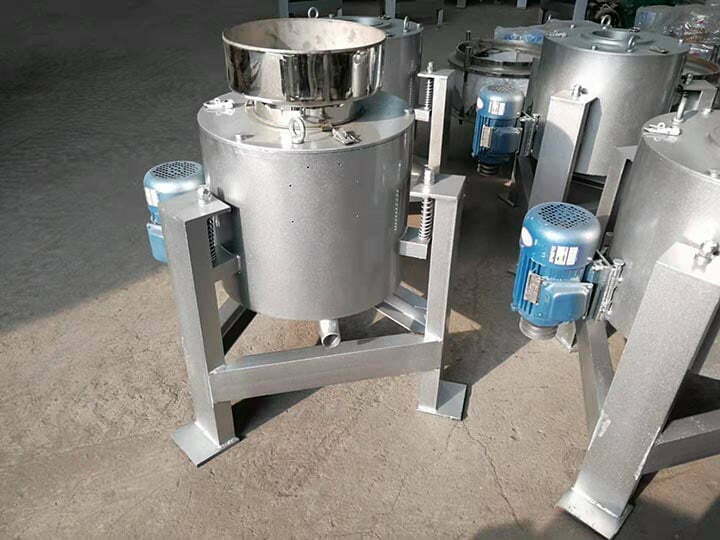
Recommended equipment for hot pressing: screw press, frying pan, and high-efficiency filtration system.
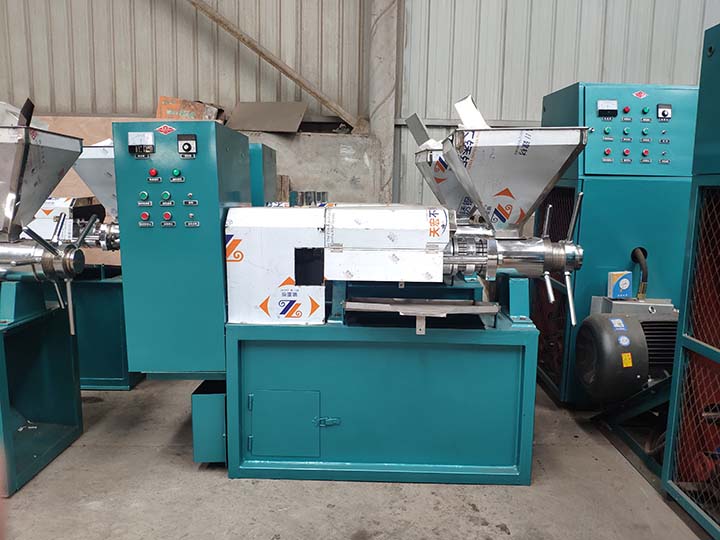


If you need to take both processes into account, you can also choose the multi-function oil extraction line. Then it can be equipped with a temperature control and material adjustment module to achieve flexible production.
Summary
Cold pressed coconut oil emphasises nutrition and purity, while hot pressed coconut oil focuses on oil yield and cost control. The choice of which method is essentially a balance between market positioning, product demand, and equipment investment.
Whether you choose cold pressing, hot pressing, or both, we can provide you with one-stop coconut oil extraction solutions. This includes raw material cleaning, drying, oil extraction, filtration, filling, and other equipment configuration.
Feel free to contact us for a quote, equipment advice, and a video of a live test run!