
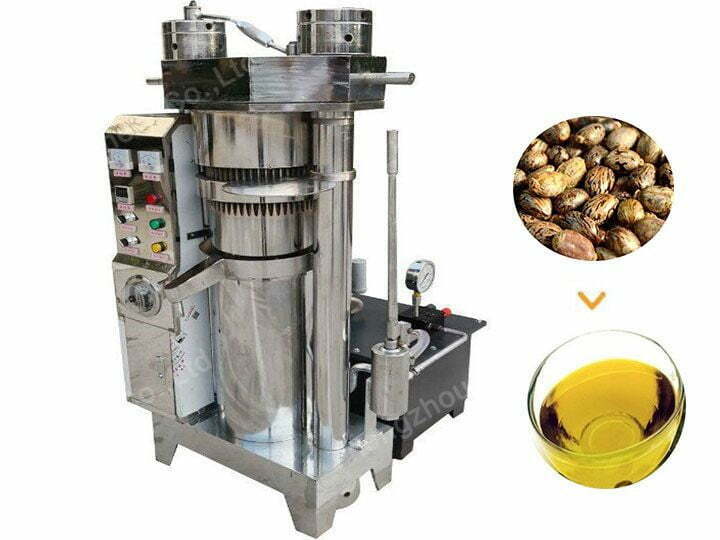
A hydraulic oil press is widely used for cold pressing high-value oil crops—but is it suitable for castor oil extraction? Because castor seeds contain unique chemical components and a hard shell, many investors worry whether a hydraulic system can handle them efficiently.
This article explains the characteristics of castor seeds, evaluates the performance of hydraulic oil press machines, and outlines the best castor oil extraction process for small and medium-scale oil producers.
What Makes Castor Seeds Different?
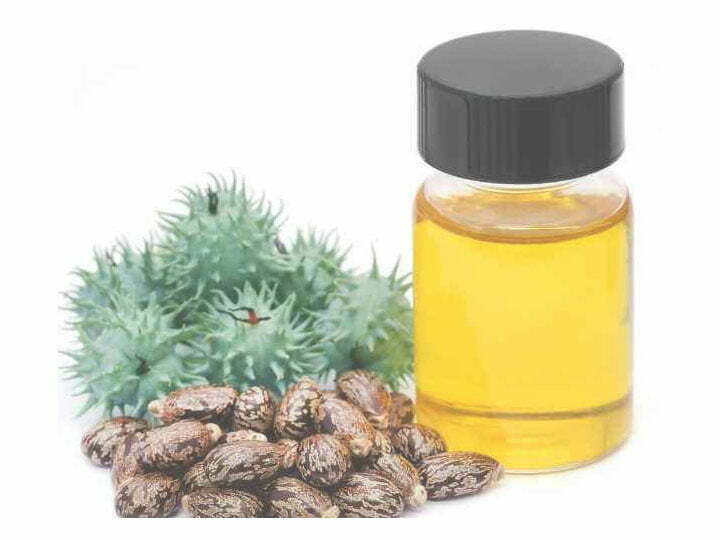
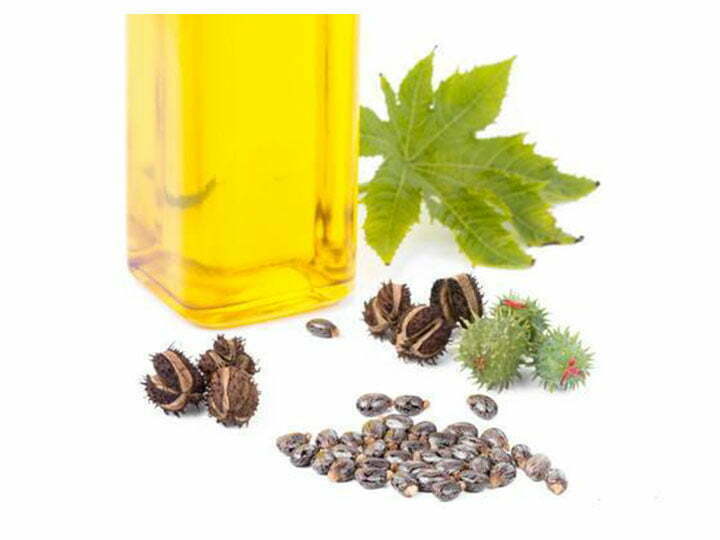
Castor seeds (Ricinus communis) have several characteristics that influence the choice of oil extraction equipment:
High oil content
Castor seeds contain 45%–55% oil, making them ideal for mechanical oil extraction.
Hard shell and dense texture
The seed coat is harder than common oil crops such as sesame or peanuts, requiring a stronger pressing force.
High viscosity castor oil
Castor oil is thick and sticky, demanding a press that provides stable pressure and slow pressing speed for complete oil release.
These properties explain why many processors prefer a hydraulic oil press—its force is more stable and better suited for viscous oils.
Is a Hydraulic Oil Press Suitable for Castor Oil?
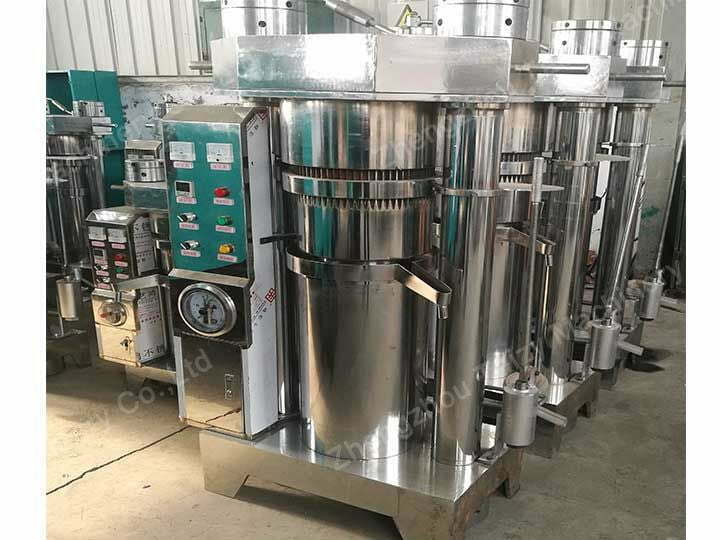
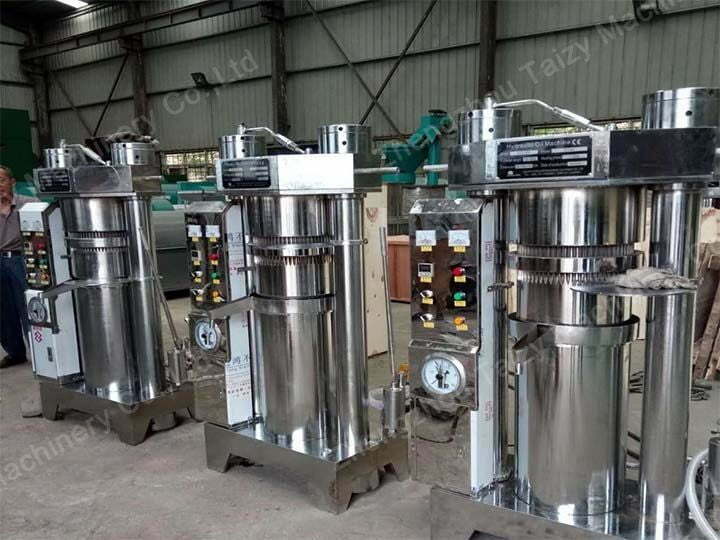
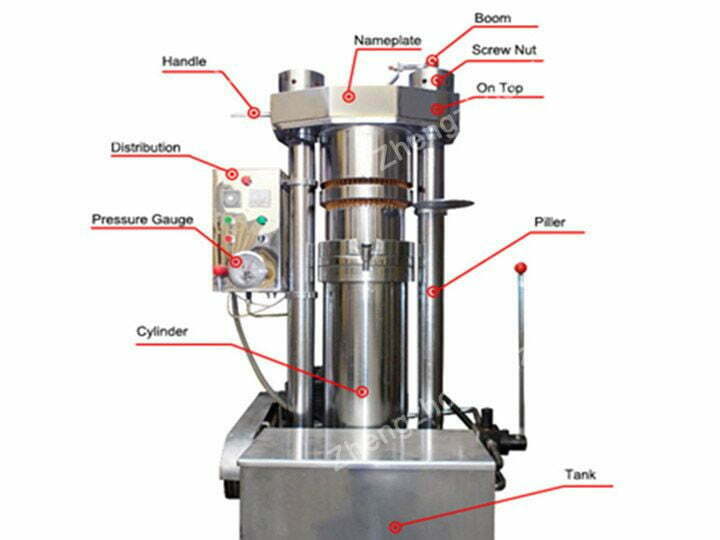
Yes, hydraulic pressing works extremely well for castor seeds. A hydraulic oil press machine offers several advantages that match the requirements of castor oil processing:
- High pressure (up to 60–80 MPa) breaks the hard seed shell efficiently
- Low-temperature cold pressing preserves ricinoleic acid, the key functional component
- Slow, steady pressing action allows viscous oil to flow out fully
- High oil yield, often higher than screw presses when processing small batches
For premium-grade medicinal or cosmetic castor oil, a hydraulic oil press is often the most recommended choice.
When Should You Use a Screw Oil Press Instead?
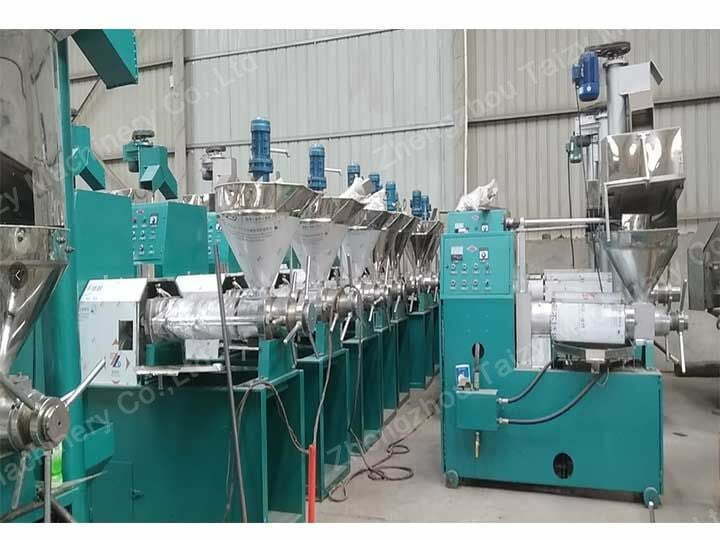
Although a hydraulic oil press works well, a screw press may be preferred in:
- Large-scale continuous production
- Situations requiring rapid throughput
- Factories want automatic feeding & continuous discharge
Many producers combine both: a screw press for initial pressing and a hydraulic press for final extraction.
Optimal Working Process for Castor Oil Extraction
A standard castor oil processing flow using a hydraulic oil press includes:
Seed cleaning and shell removal
Removing stones, dust, and broken shells ensures stable pressure during pressing.
Heating or light roasting
Castor seeds are gently heated to 60–70°C to soften the kernel and improve oil yield.
Hydraulic cold pressing
The hydraulic oil press machine applies stable pressure to extract pure castor oil without additives.
Filtration
A plate-and-frame filter removes impurities, producing medical-grade or cosmetic-grade castor oil.
Residue handling
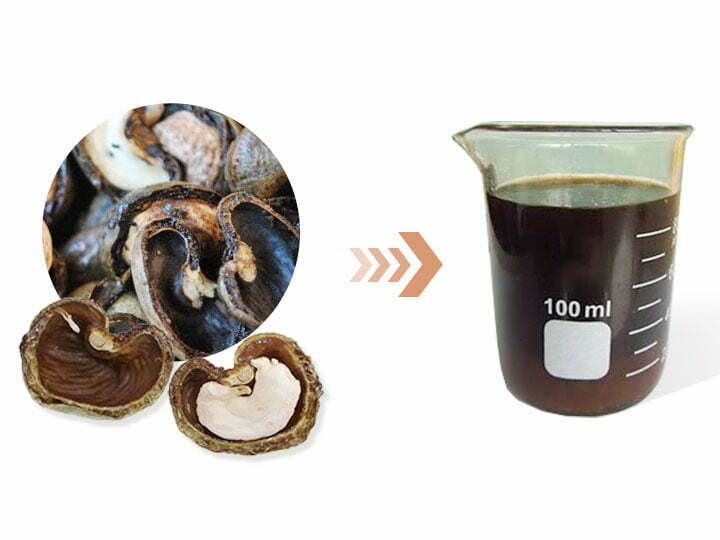
Press cake can be used as organic fertilizer or an industrial raw material.
This workflow ensures high-quality, high-yield castor oil suitable for commercial sale.
Why Choose Hydraulic Oil Presses for Castor Seeds?
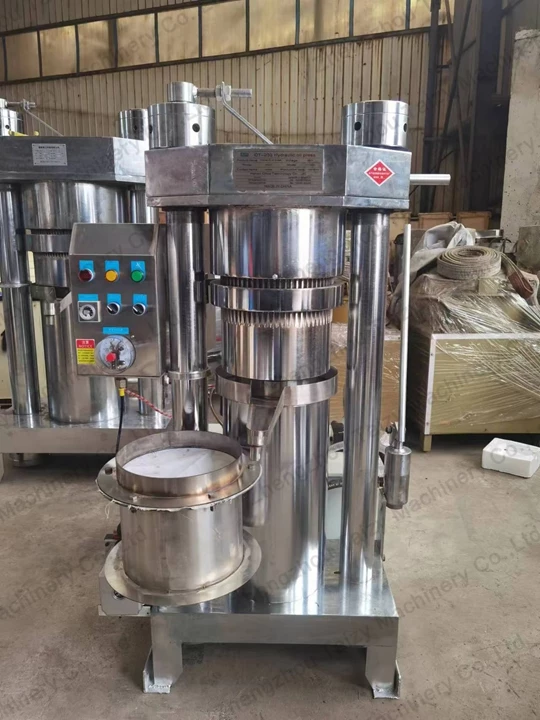
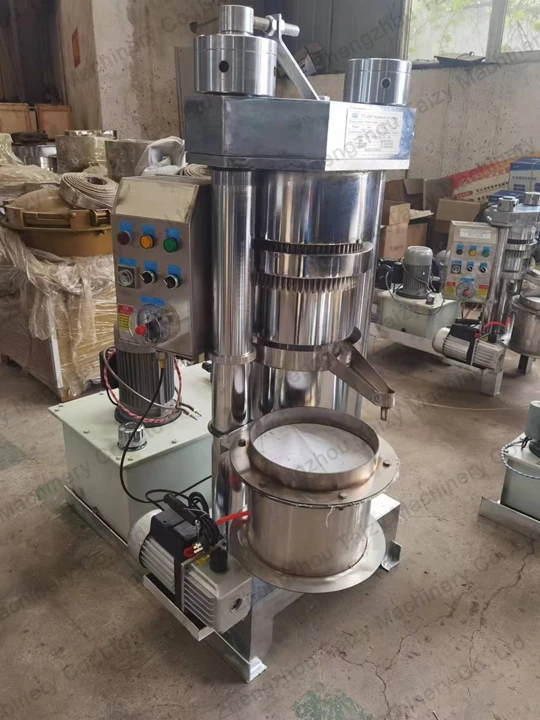
- Easy operation (no need for skilled workers)
- Low maintenance cost
- Excellent oil quality for high-value markets
- Small footprint—perfect for small workshops
For start-ups or small oil mills, a castor hydraulic press is often the most cost-effective solution for castor oil production.
Ready to Start Castor Oil Production?
A hydraulic oil press is not only suitable for castor seeds—it is one of the best solutions for producing premium castor oil with high purity and high yield.
Tell us your capacity and budget—we’ll recommend the most efficient configuration.