
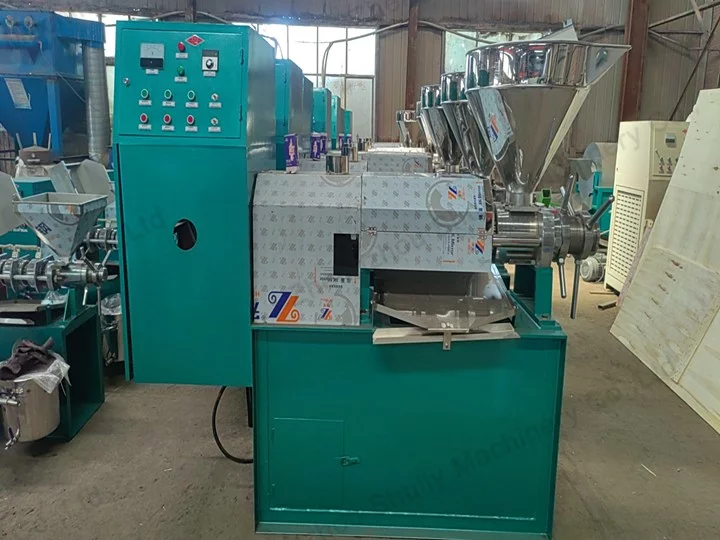
Peanut oil production is a widely adopted process in both small-scale workshops and industrial oil mills. However, during actual operation, many producers encounter issues that affect oil yield, quality, and overall efficiency.
Understanding these common problems—and how to solve them—can significantly improve performance when using a peanut oil press machine or a full peanut oil production line.
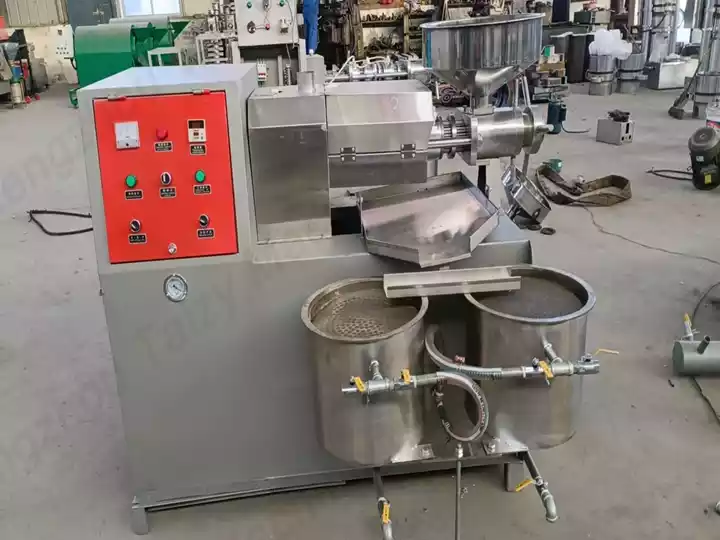
Low Oil Yield
One of the most frequent concerns in peanut oil processing is low oil extraction efficiency. This problem directly impacts profitability.
Causes:
- Raw peanuts with high moisture content
- Insufficient roasting or uneven heating
- Improper pressure in the oil press machine
- Worn screw components in the screw oil press machine
Solutions:
- Control the moisture content to around 6–8% before pressing
- Ensure uniform roasting to improve oil release
- Adjust pressing temperature and pressure parameters
- Regularly inspect and replace worn parts
Using a high-efficiency peanut oil expeller can also significantly increase oil yield.
Poor Oil Quality
Cloudy oil, dark color, or unusual odor are signs of poor oil quality, which can reduce market value.
Causes:
- Overheating during pressing
- Impurities in raw materials
- Inadequate filtration system
- Oxidation due to prolonged exposure
Solutions:
- Maintain optimal pressing temperature
- Clean raw peanuts before processing
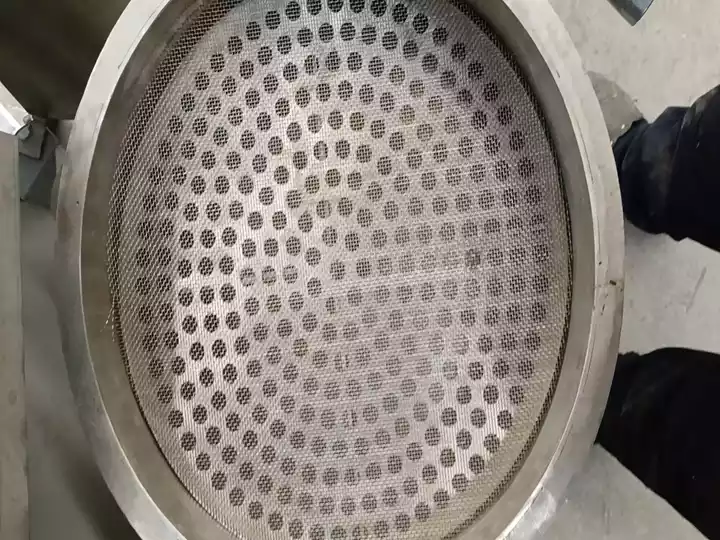
- Use a reliable filtration unit in the oil extraction machine
- Store oil in sealed, low-light environments
A well-designed peanut oil processing machine helps maintain stable quality throughout production.
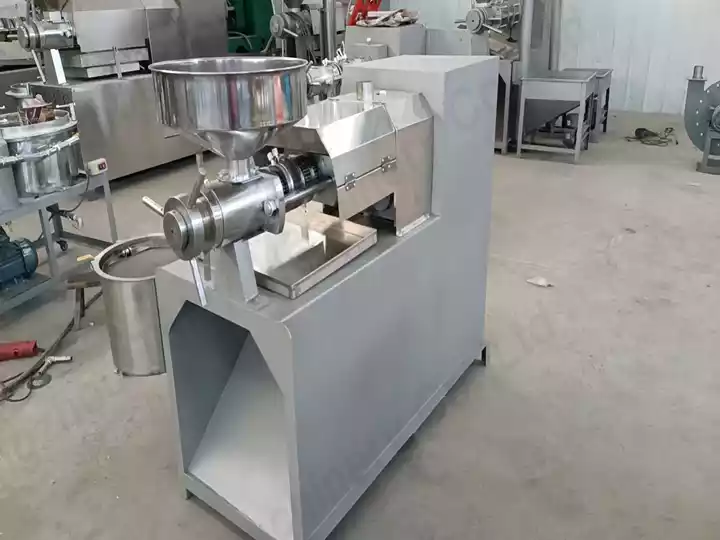
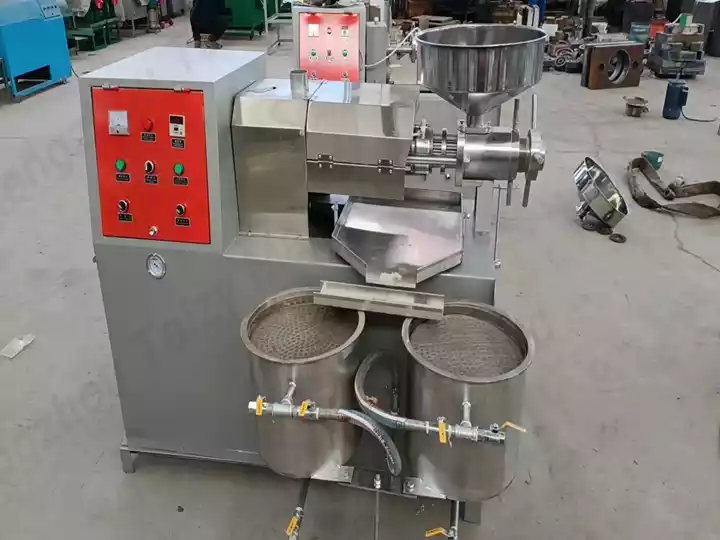
Machine Blockage or Slow Discharge
Blockage in the pressing chamber is a common issue, especially in continuous production.
Causes:
- High moisture or sticky material
- Improper feeding rate
- Residue buildup inside the oil press machine
Solutions:
- Pre-treat raw materials properly (drying and cleaning)
- Maintain consistent feeding speed
- Clean the machine regularly to prevent residue accumulation
Choosing a robust commercial oil press machine with stable operation can reduce such issues.
Excessive Residual Oil in Oil Cake
If the oil cake contains too much residual oil, it indicates inefficient pressing.
Causes:
- Low pressing pressure
- Incorrect screw configuration
- Inadequate machine performance
Solutions:
- Optimize pressure settings
- Use advanced screw designs in a screw oil press machine
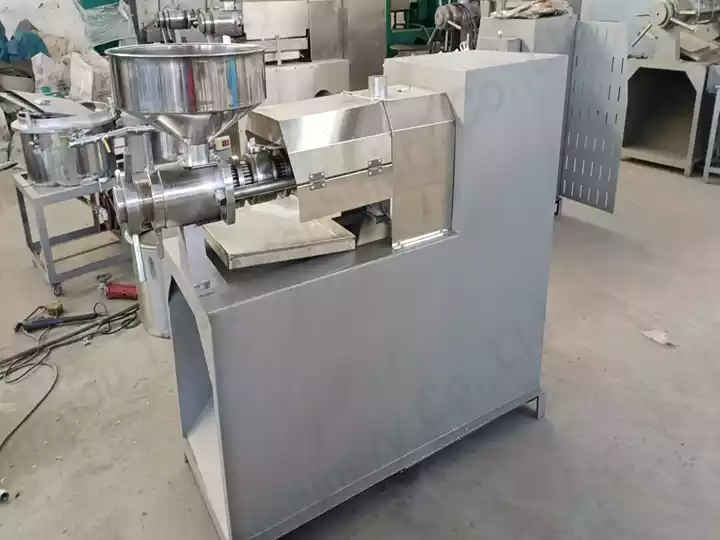
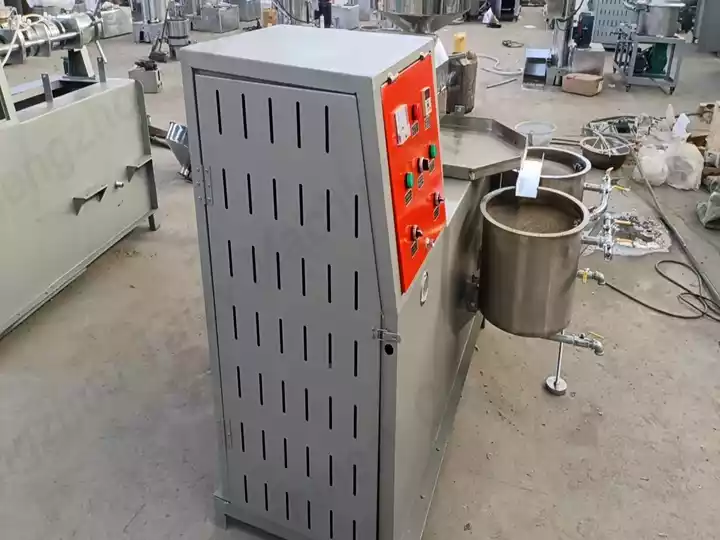
- Consider upgrading to a more efficient automatic oil press machine
High Energy Consumption
Energy cost is a major concern for large-scale producers.
Causes:
- Outdated equipment
- Inefficient motor systems
- Poor maintenance
Solutions:
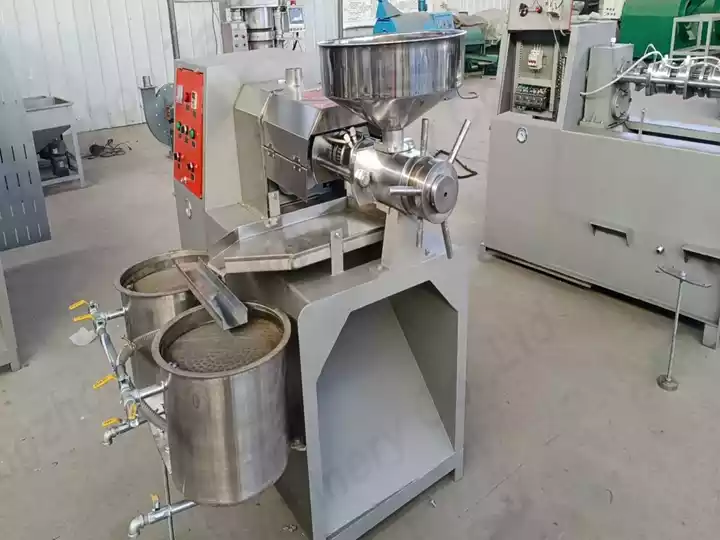
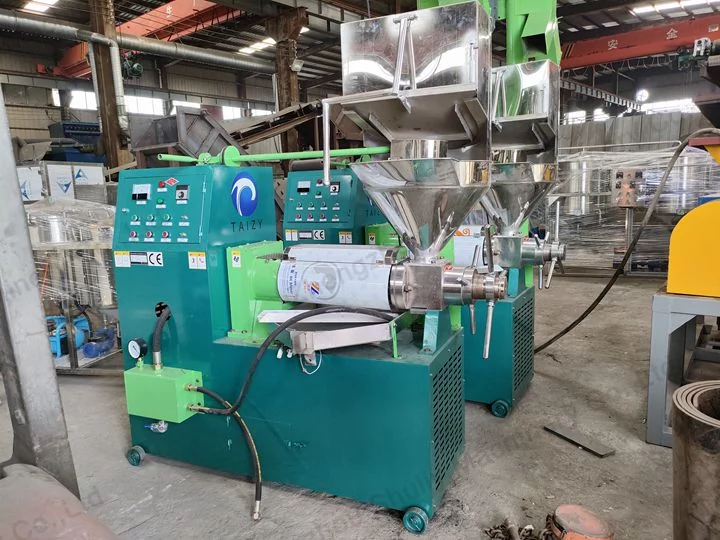
- Use energy-efficient peanut oil press machines
- Maintain proper lubrication and alignment
- Upgrade to modern equipment with optimized power systems
Final Thoughts
Peanut oil pressing involves multiple variables, from raw material quality to machine performance. Most common problems—such as low yield, poor oil quality, or machine blockage—can be effectively resolved through proper process control and equipment optimization.
For producers aiming to improve efficiency and profitability, investing in a reliable peanut oil press machine or upgrading to a modern peanut oil production line is often the most effective long-term solution.
By addressing these issues proactively, manufacturers can ensure stable production, higher oil yield, and better product quality in an increasingly competitive market.