
When an oil press suddenly produces less oil, the problem is not always the machine itself. Raw material moisture, pressing temperature, feeding rate, screw adjustment, and machine condition can all affect extraction performance. Understanding these factors can help you identify the problem before replacing or upgrading your oil press machine.
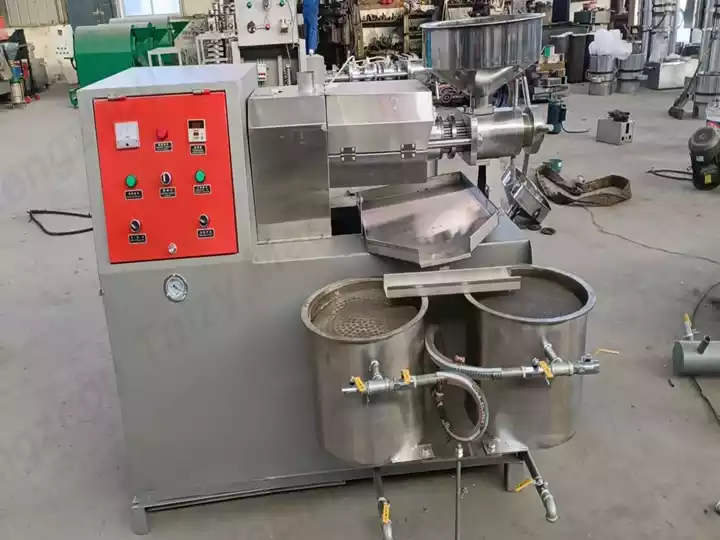
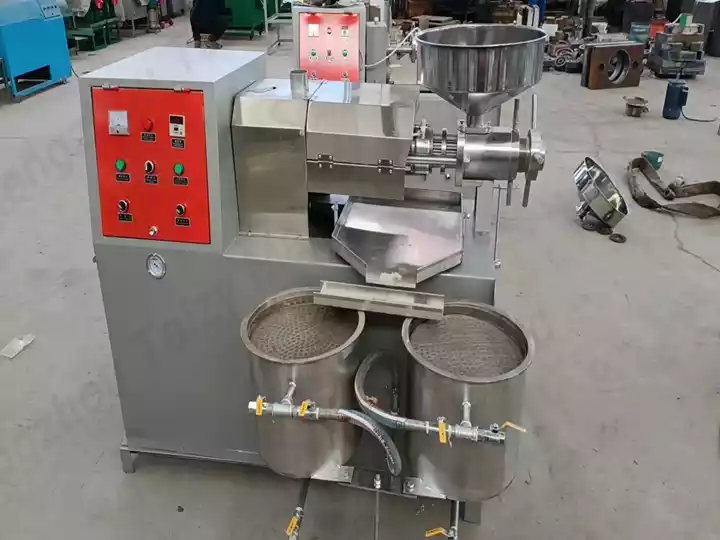
The Raw Material May Have the Wrong Moisture
Moisture content has a direct effect on oil extraction. Seeds that are too wet may be difficult to press efficiently, while excessively dry material can also affect the pressing process.
Before feeding the material into the oil press machine, check whether the seeds have been properly dried or conditioned for pressing.
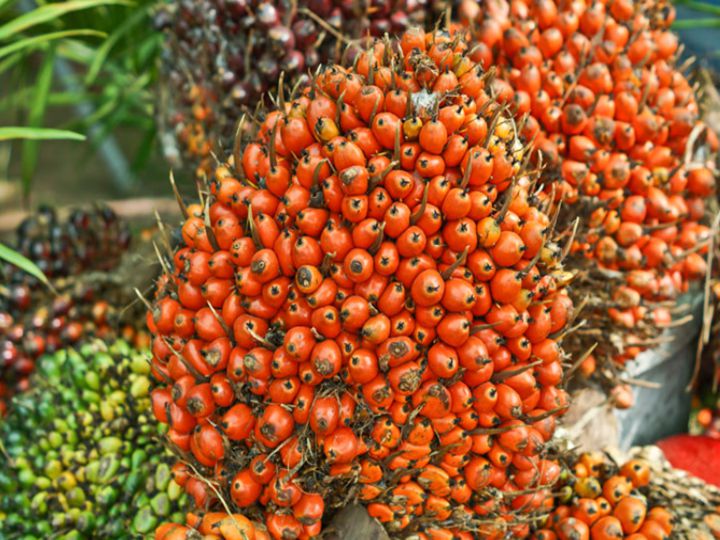
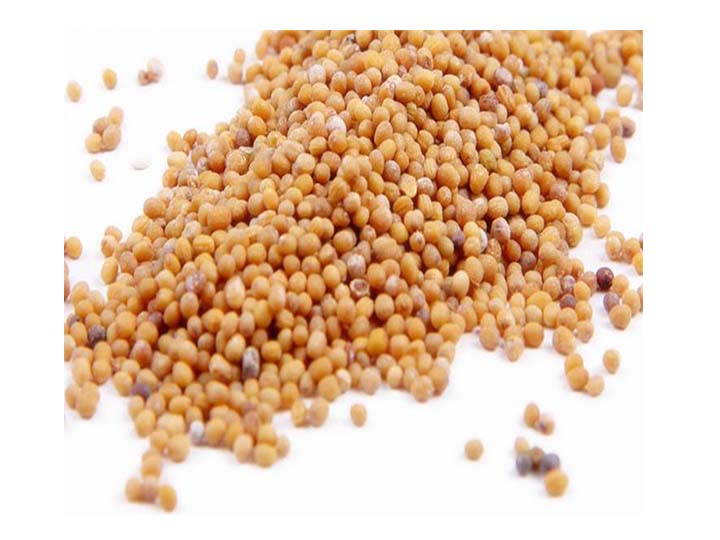
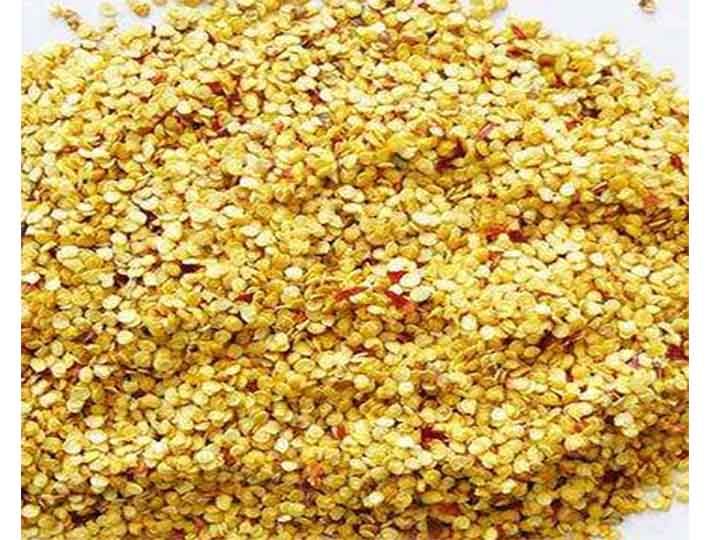
The Seeds May Not Be Properly Prepared
Different oilseeds require different preparation methods. Cleaning, crushing, drying, or heating the raw material before pressing can help improve the extraction process.
If large amounts of impurities, stones, shells, or unsuitable material enter the machine, both oil yield and machine performance may be affected.
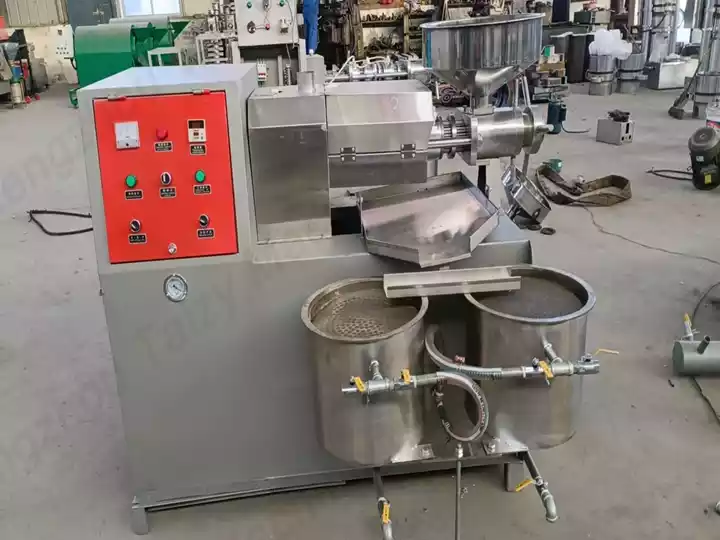
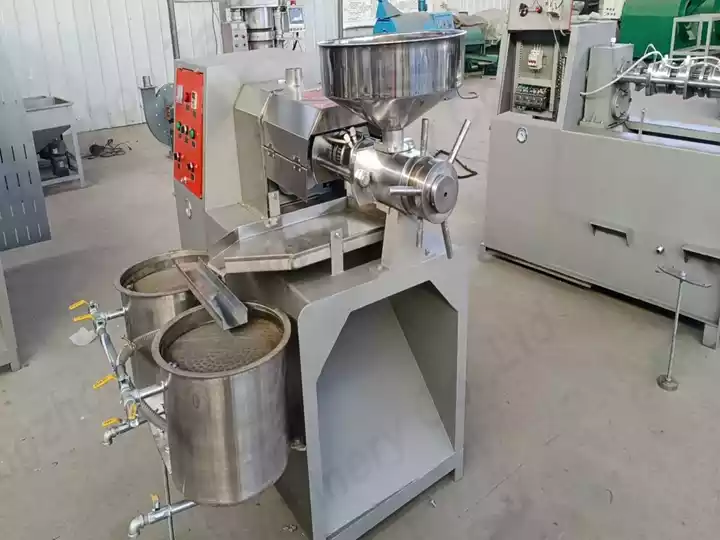
Pressing Temperature May Be Incorrect
Some oilseeds need appropriate heating or conditioning before pressing. If the material is too cold, the oil may not flow easily through the pressing chamber.
However, excessive heating can also affect the quality of the finished oil. The suitable temperature depends on the type of oilseed and the desired product quality.
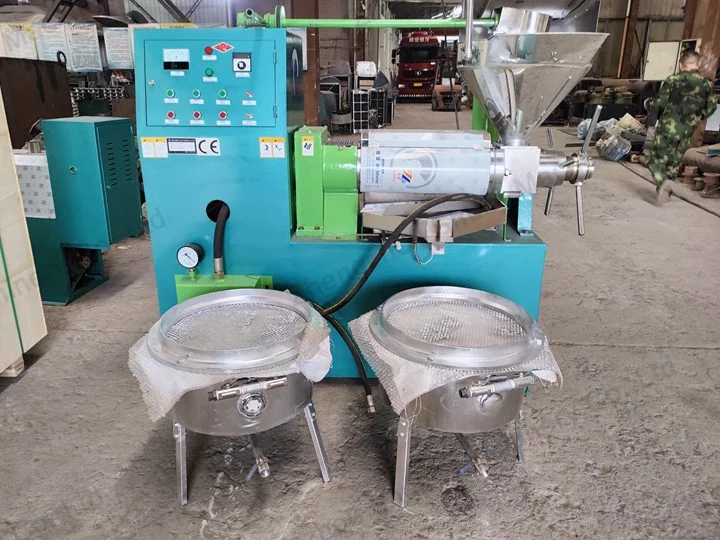
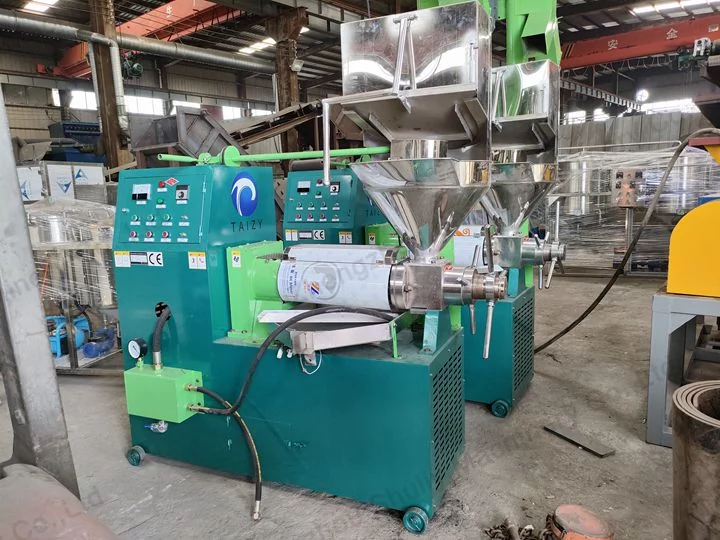
Feeding and Pressing Conditions Need Adjustment
An unstable feeding rate can prevent the screw from working under suitable pressing conditions. Feeding too quickly may overload the machine, while feeding too slowly may reduce production efficiency.
For an oil press machine, the screw configuration, pressing gap, and feeding speed should be matched with the raw material and required output.
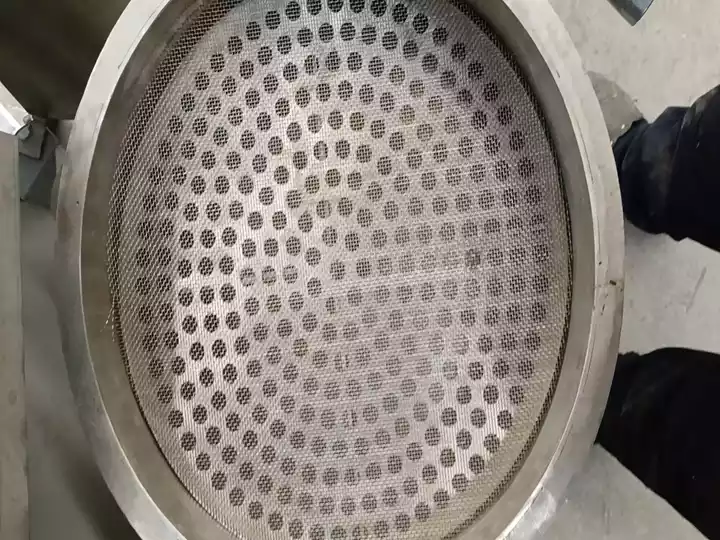
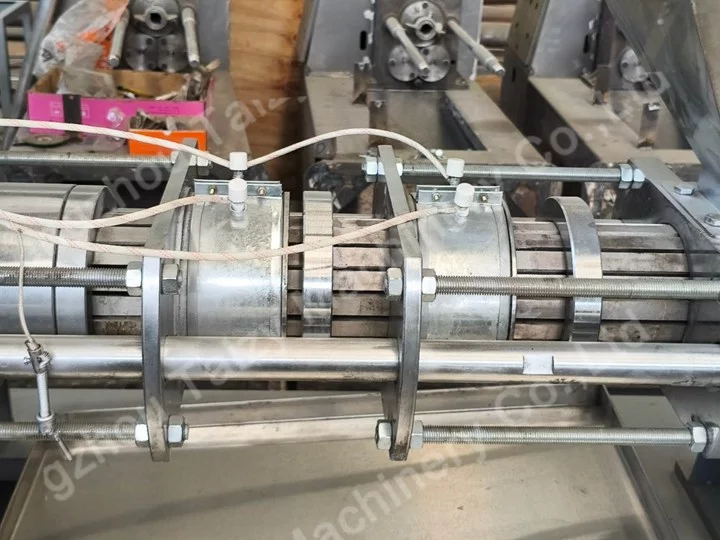
Machine Wear Can Reduce Oil Yield
After long-term operation, components such as the pressing screw, pressing chamber, or other wear parts may gradually deteriorate. This can change the pressure inside the pressing chamber and reduce extraction performance.
Regular inspection and timely replacement of worn components can help maintain stable pressing results.
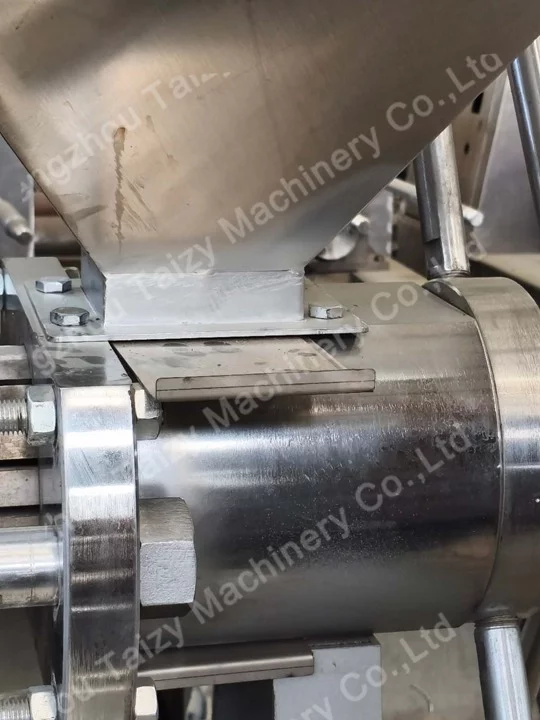
Is It Time to Check Your Oil Press Machine?
If your oil yield remains low after checking the raw material and operating conditions, the machine configuration itself may need to be evaluated. Different seeds require different pressing conditions, so machine capacity and configuration should match your raw materials.
If you are planning to upgrade your production, choosing an машина за преса за масло according to your seed type, required capacity, and expected oil yield is essential.
Contact Us for an Oil Press Solution
Not sure why your oil press is producing less oil? Tell us what oilseed you process, your current capacity, and the oil yield you are getting. We can help analyze the pressing conditions and recommend a suitable oil press machine for your production needs.