
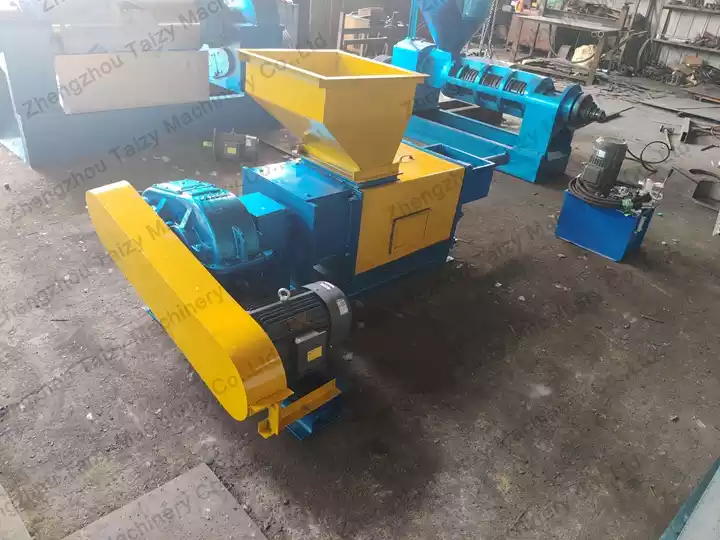
Labor has become one of the largest operating expenses for palm oil producers. From harvesting fresh fruit bunches to extracting crude palm oil, every stage requires time, manpower, and careful coordination. As wages continue to rise and skilled workers become harder to find, many processors are looking for ways to improve efficiency without sacrificing oil yield or product quality.
So, how can palm oil producers reduce labor costs while maintaining profitable operations?
Identify the Most Labor-Intensive Steps
Not every stage of palm oil production requires the same amount of labor. In many small and medium-sized processing facilities, the highest labor demand is often found in:
- Feeding fresh fruit into processing equipment
- Fruit digestion and oil extraction
- Press cake handling
- Oil filtration and collection
- Cleaning equipment between production batches
When these tasks rely heavily on manual work, production becomes slower, labor costs increase, and output may vary from batch to batch.


Improve Processing Efficiency Instead of Adding More Workers
When production demand increases, hiring additional workers is not always the best solution.
Many successful palm oil processors focus on improving production efficiency instead. By optimizing workflow and using dedicated processing equipment, they can handle larger quantities of palm fruit with fewer operators.
Higher efficiency not only lowers labor costs but also helps reduce production delays during peak harvest seasons.
Automate the Oil Extraction Process
Oil extraction is one of the most critical stages in palm oil processing.
Traditional extraction methods often require frequent manual operation, making it difficult to maintain stable production over long working hours.
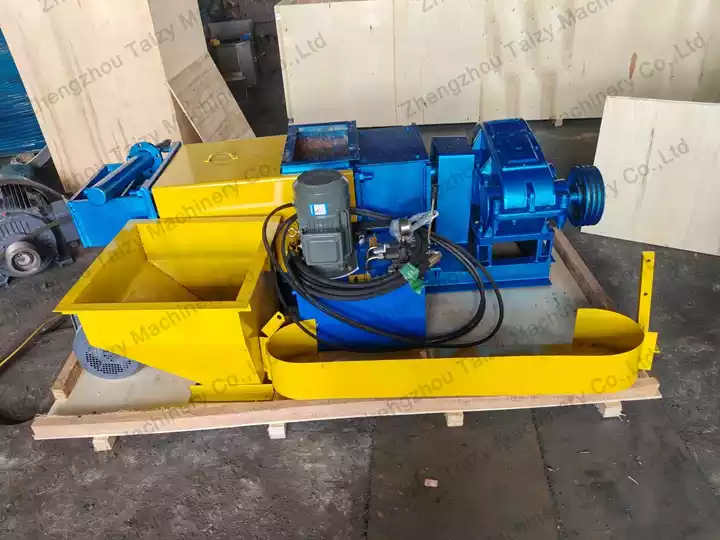
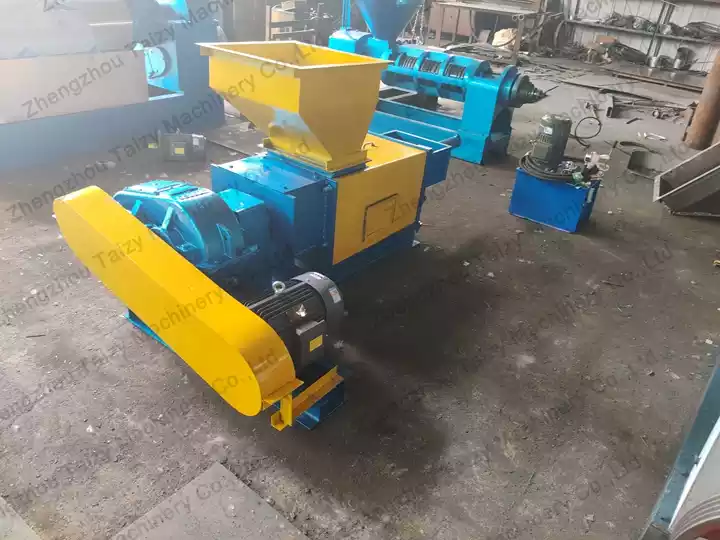
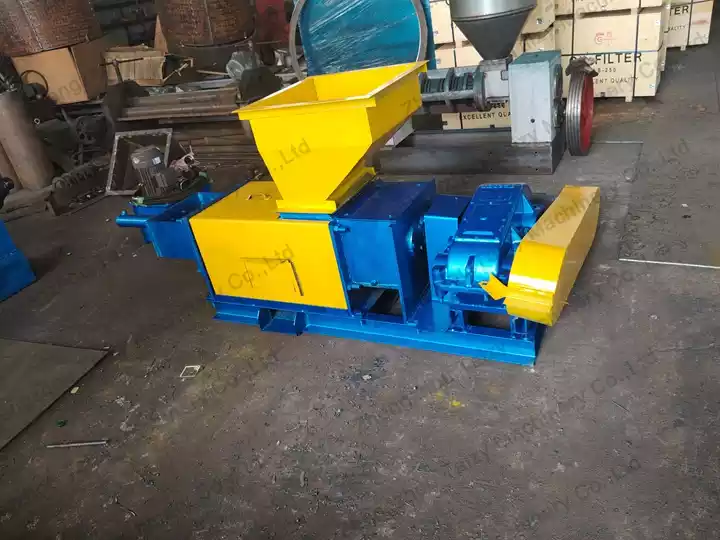
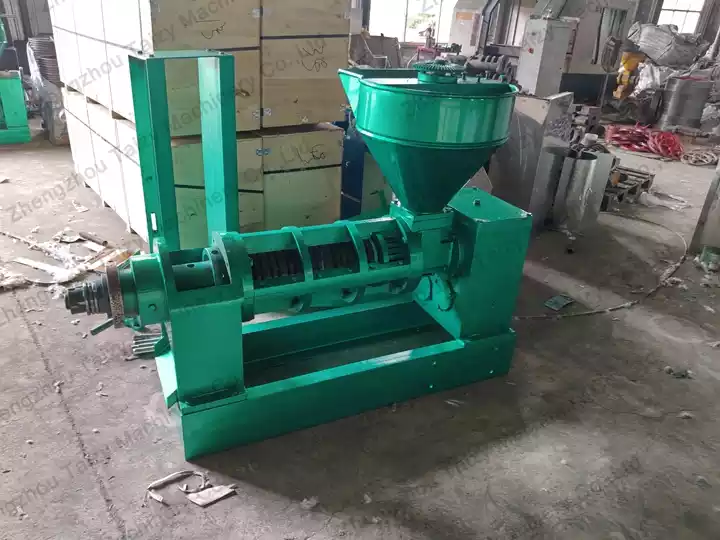
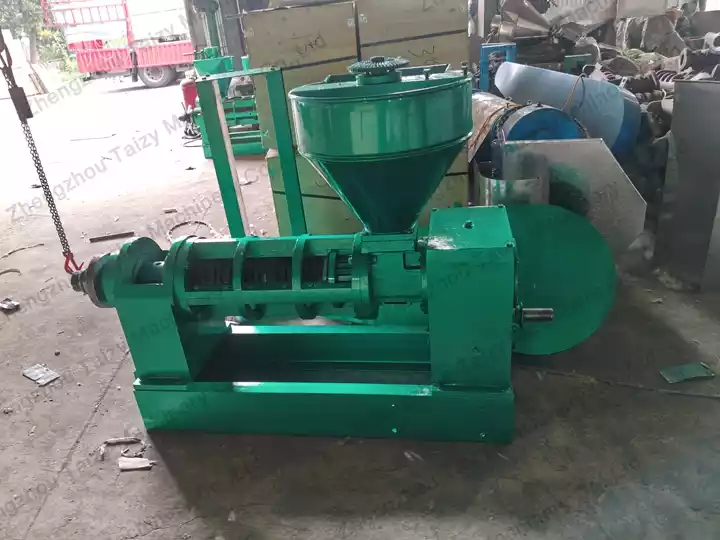
A modern palm oil press machine automates much of the pressing process, allowing continuous operation while producing more consistent extraction results. This reduces operator workload and helps improve overall production efficiency.
For many growing processing businesses, automation is an effective way to reduce dependence on manual labor.
Reduce Material Losses During Processing
Labor costs are closely connected to production efficiency.
When extraction equipment performs inconsistently, more time is spent handling leftover material or reprocessing partially pressed fruit, increasing both labor input and operating costs.
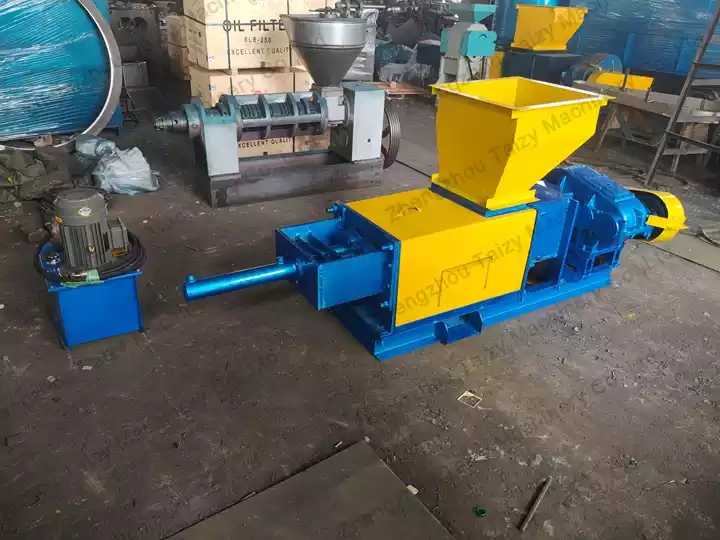
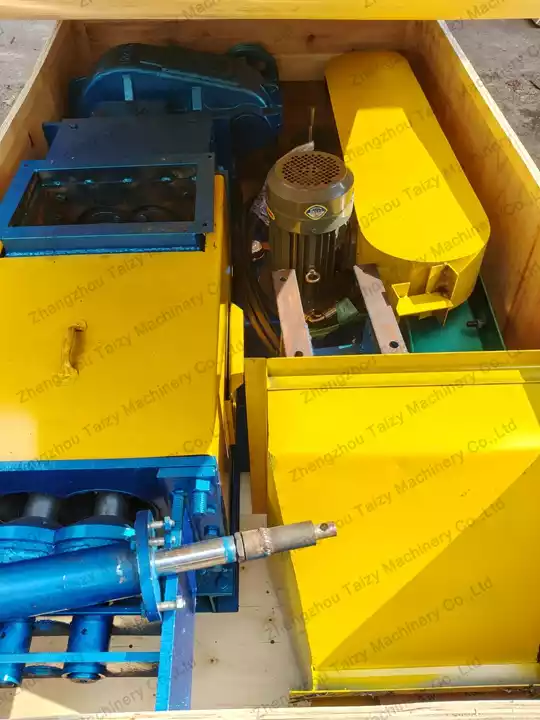
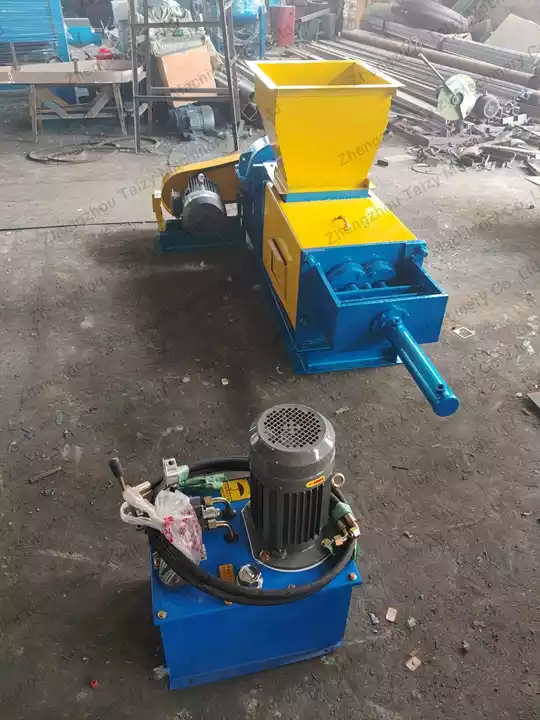
A reliable palm oil press machine helps ensure stable pressing performance, allowing processors to recover oil more efficiently while reducing unnecessary manual intervention.
Build a More Streamlined Production Workflow
Many small factories operate with separate machines that require frequent material transfer between processing stages.
As production expands, this fragmented workflow often leads to bottlenecks and additional labor requirements.
By organizing equipment into a more integrated processing system, manufacturers can simplify production, reduce handling time, and improve coordination between each stage of palm oil processing.
Automation Supports Long-Term Business Growth
Reducing labor costs is not simply about replacing workers with machines. It is about creating a production process that is more efficient, predictable, and easier to manage.
As global demand for palm oil continues to increase, processors who invest in automation are often better positioned to improve productivity, maintain product quality, and remain competitive in the market.
A modern palm oil press machine helps producers process more raw materials with greater consistency while lowering labor requirements, making it an important investment for businesses planning to expand their palm oil production.