
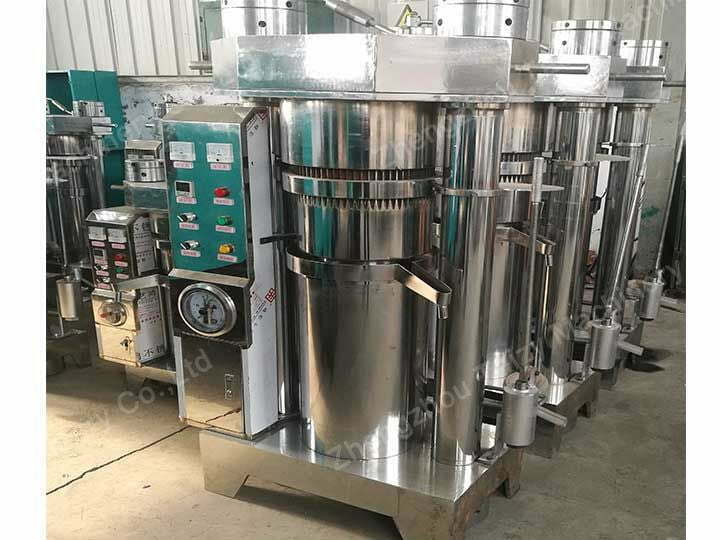
Olive oil has been produced for thousands of years, and although the technology has evolved dramatically, the basic goal remains the same: extract as much high-quality oil as possible while preserving its natural flavor and nutrients.
Today, many small and medium-sized olive producers are turning to olive oil hydraulic press machines as an alternative to traditional pressing methods. But what exactly happens inside the machine, and why is hydraulic pressing becoming increasingly popular?

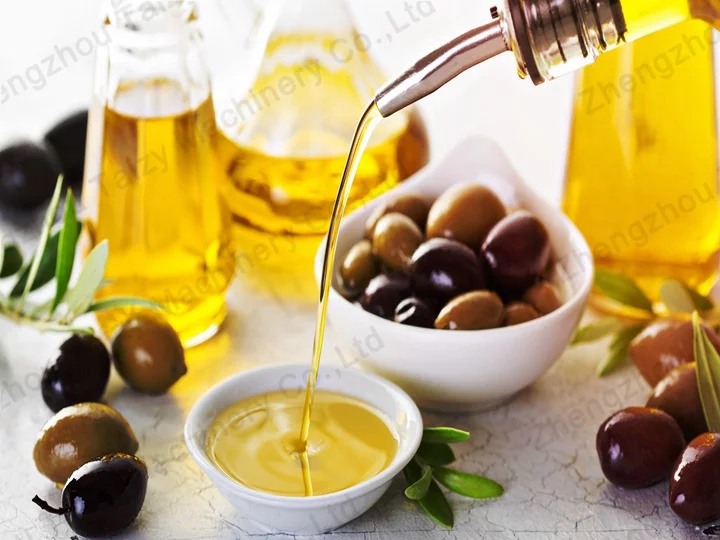
The Basic Idea Behind Hydraulic Pressing
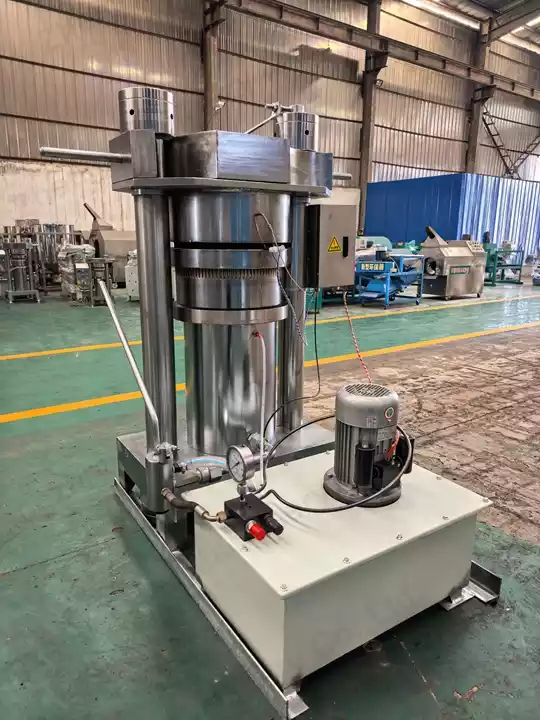
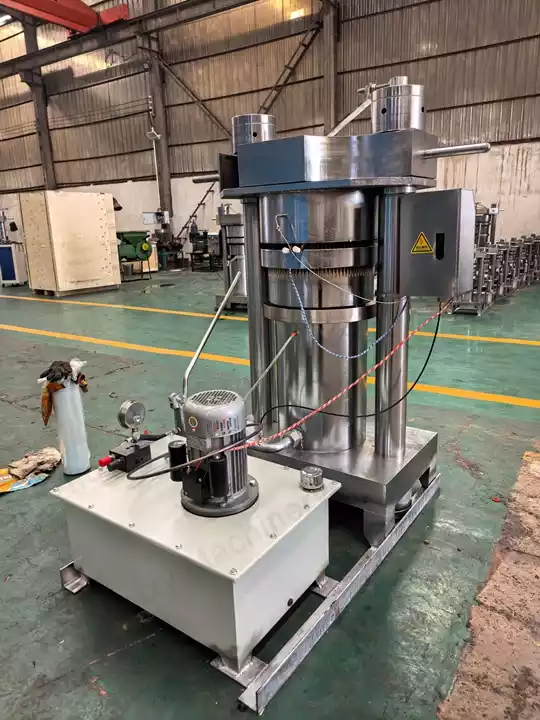
Unlike screw presses that continuously force material forward through mechanical compression, an olive oil hydraulic press machine works by applying uniform pressure from above.
Think of it as squeezing water from a sponge. Instead of twisting or grinding aggressively, the hydraulic system slowly and steadily compresses the olive paste, allowing the oil to separate naturally from the solid material.
This gentle extraction process is one of the main reasons many producers believe hydraulic pressing helps preserve the original aroma and quality of the olive oil.
It All Starts with Prepared Olives
Before the olives reach the press, they go through several important steps.
First, freshly harvested olives are cleaned to remove leaves, dust, and small stones. They are then crushed into a thick paste containing oil, pulp, skin, and tiny fragments of the olive pit.
At this stage, the oil is still trapped inside the paste. The job of the olive oil hydraulic press machine is to release that oil without damaging its natural characteristics.
How does pressure separate oil from the Paste?
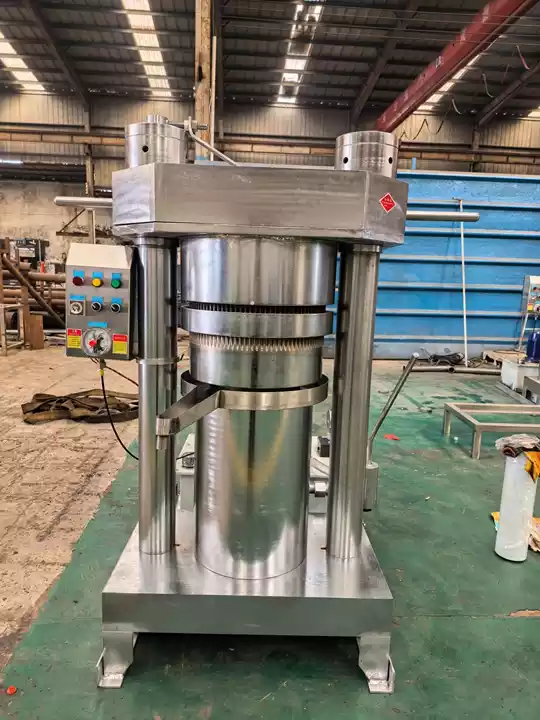
Once the olive paste is placed inside the press chamber, the hydraulic system gradually increases pressure.
As the force builds, the liquid components—including olive oil and a small amount of water—begin to flow out, while the solid residue remains compressed inside the chamber.
The extracted liquid is then collected for further separation and filtration.
Because the pressure is applied evenly across the entire material, hydraulic presses can often achieve stable extraction results without excessive friction or heat generation.
Why Does Low-Temperature Extraction Matter?
One of the biggest topics in modern olive oil production is temperature control.
Excessive heat during extraction may affect the flavor compounds and natural antioxidants found in olives. For this reason, many producers prefer methods that minimize temperature increases during pressing.
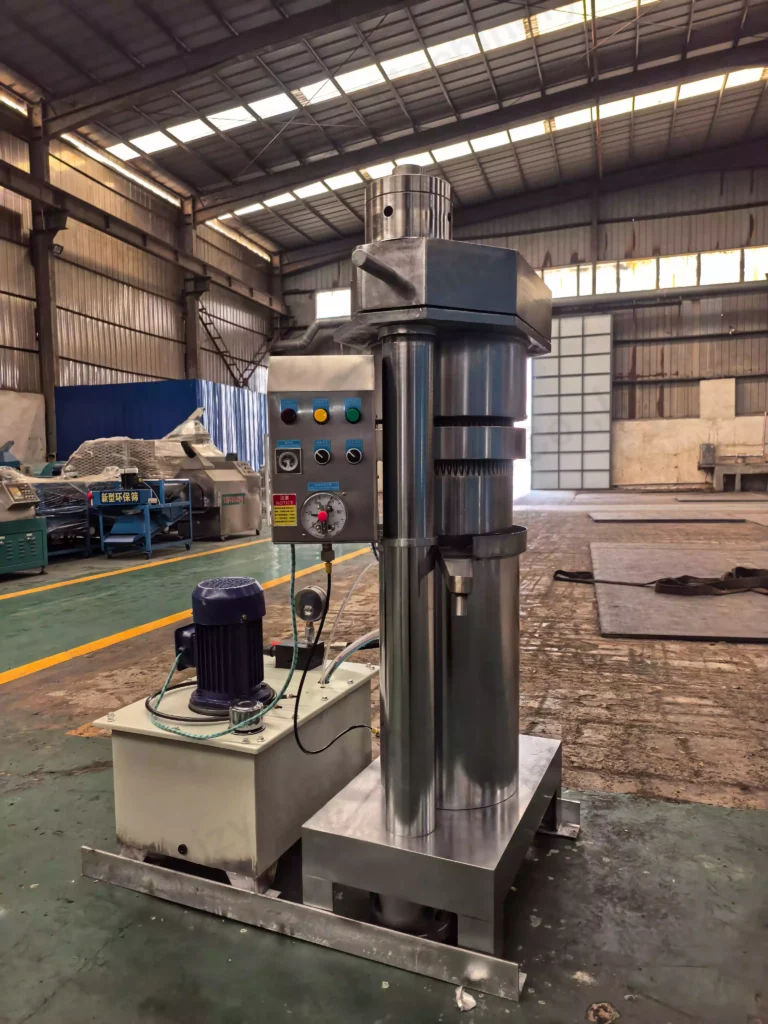
An olive oil hydraulic press machine typically operates with relatively low mechanical friction, helping maintain a lower processing temperature compared with some high-speed extraction methods.
This characteristic makes hydraulic pressing particularly attractive for producers focusing on premium or cold-pressed olive oil products.
Who Uses Hydraulic Olive Oil Press Machines?
Hydraulic presses are commonly found in:
- Family-owned olive farms
- Boutique olive oil brands
- Hợp tác xã nông nghiệp
- Small and medium olive processing workshops
These businesses often prioritize product quality and authenticity over extremely high production volumes.
For many of them, the slower and gentler pressing process aligns well with their market positioning.
Traditional Principles with Modern Technology
Although the concept of pressing olives dates back centuries, modern hydraulic equipment has made the process far more efficient and reliable.
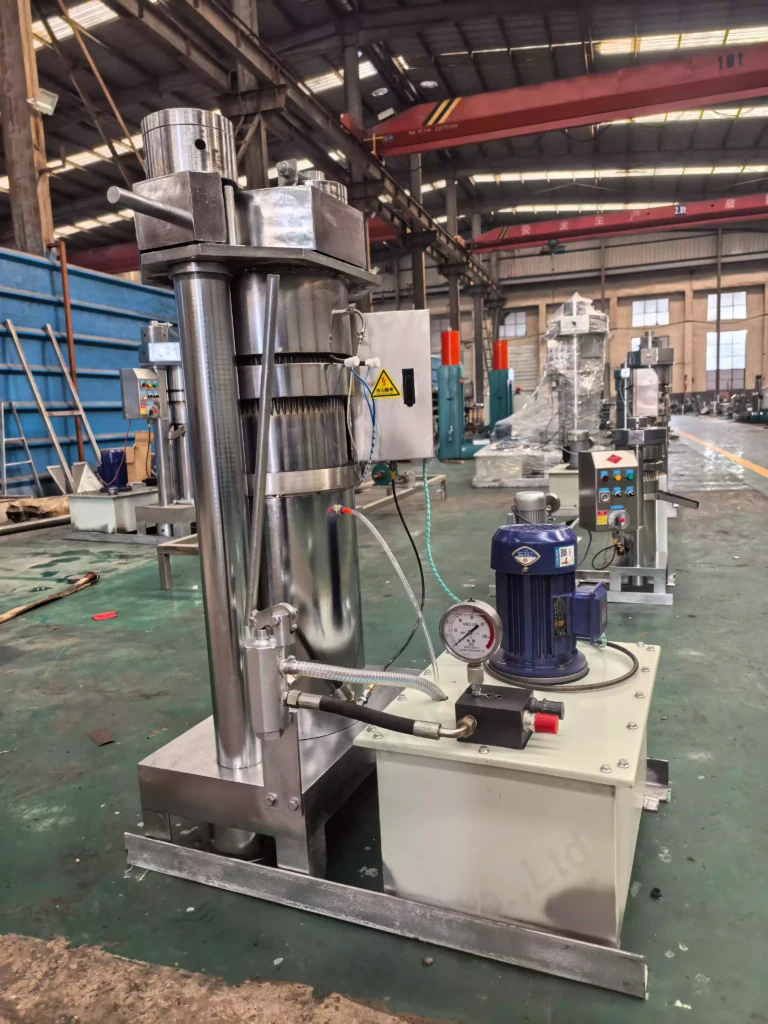
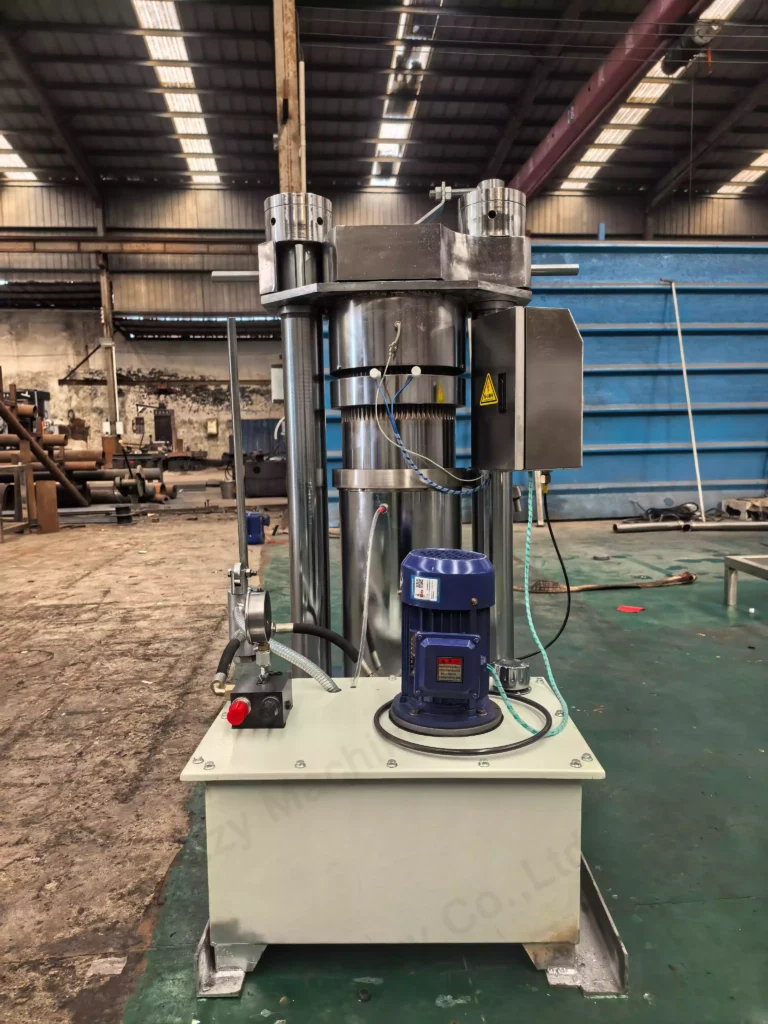
Automatic pressure control, improved sealing systems, and food-grade stainless steel construction allow today’s olive oil hydraulic press machines to combine traditional extraction principles with modern manufacturing standards.
For olive producers seeking to create high-quality oils while preserving the fruit’s natural character, hydraulic pressing remains one of the most trusted extraction methods.