
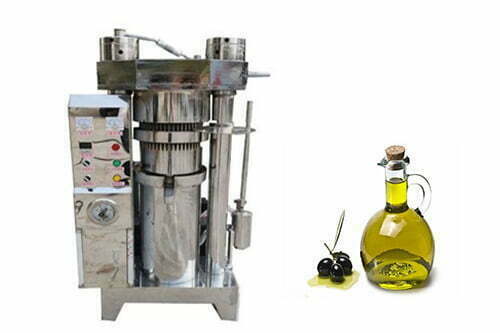
Der Traum, eigenes reines, goldenes Olivenöl zu produzieren, ist kraftvoll. Ob Sie Kleinbauer, Boutique-Hersteller oder leidenschaftlicher Hobbyist sind, das Herz Ihrer Operation ist die Presse. Die hydraulische Olivenölpresse ist bekannt für ihre Fähigkeit, Olivenöl höchster Qualität kaltgepresst zu erzeugen und ist oft die Top-Wahl.
Aber bei verschiedenen Modellen und Spezifikationen – wie treffen Sie die richtige Wahl? Die falsche Wahl kann zu Ineffizienz und Frustration führen, während die richtige Maschine ein zuverlässiger Partner für Jahre sein wird.
Dieser Leitfaden bietet einen klaren, checklistenartigen Ansatz, um Ihnen bei der Auswahl der perfekten hydraulischen Olive-Öl-Presse für Ihre spezifischen Bedürfnisse zu helfen.
Checklist Item 1: Match the Tonnage and Capacity to Your Harvest
Die „Tonnage“ einer Presse bezieht sich auf die maximale Druckleistung. Für praktische Zwecke sollten Sie sich jedoch auf die Chargenkapazität konzentrieren, also darauf, wie viele Kilogramm Olivenpaste die Maschine auf einmal pressen kann.
For small-scale and hobbyist production: if you are processing olives from a small grove for personal use or for sale at a local farmer’s market, a machine with a capacity of 10-30 kg per batch is likely a perfect fit. It allows for manageable production without significant waste.
For small commercial operations: if you are running a small commercial business, supplying local restaurants, or have a larger harvest, look for a machine with a capacity of 40-60 kg per batch or more. This allows you to process your harvest efficiently during the critical, time-sensitive pressing season.
Pro-tip: it’s better to run multiple batches on a correctly sized machine than to under-fill a machine that is too large, which can lead to inefficient extraction.
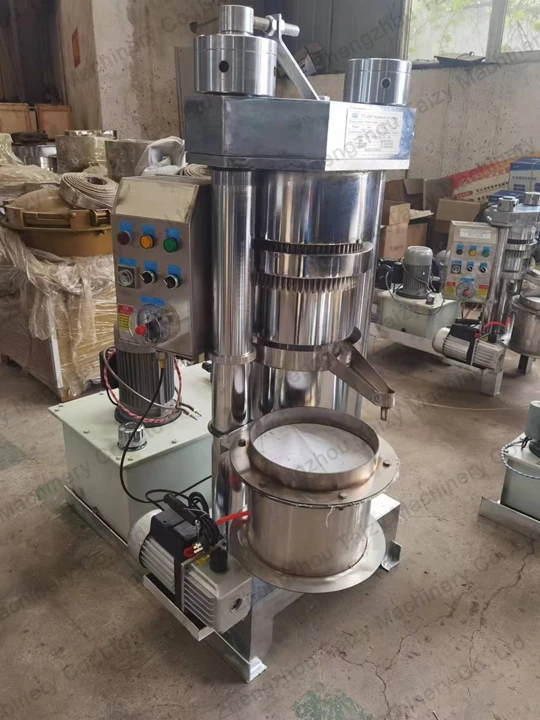
Checklist Item 2: Messen Sie Ihren Raum: Fußabdruck und Layout
Eine hydraulische Presse ist eine beträchtliche Ausrüstung. Bevor Sie sich in ein Modell verlieben, holen Sie sich Messband heraus.
Machine dimensions: check the machine’s length, width, and height. Ensure it will not only fit in your designated space but also pass through any doorways or gates to get there.
Working area: remember to plan for workspace around the machine. You’ll need room to comfortably load the olive paste, position the collection container for the oil, and remove the spent olive pomace.
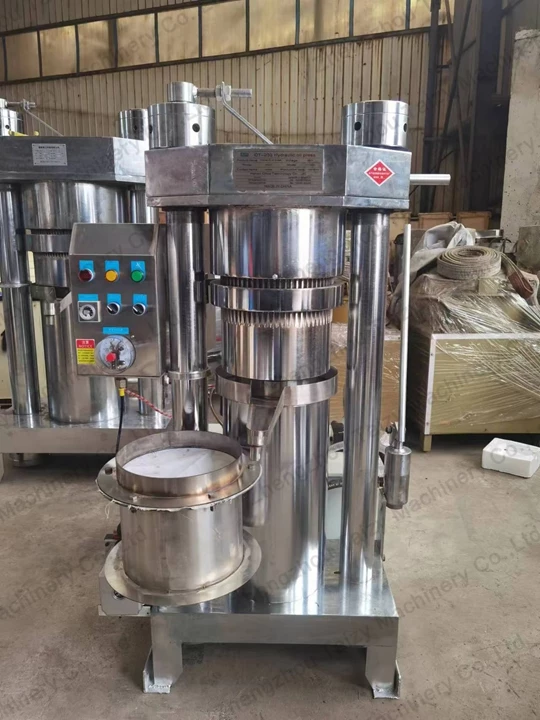
Vertical design advantage: most hydraulic olive oil presses feature a vertical design, which makes them very space-efficient. They have a relatively small footprint, making them ideal for workshops, garages, or small processing facilities where floor space is at a premium.
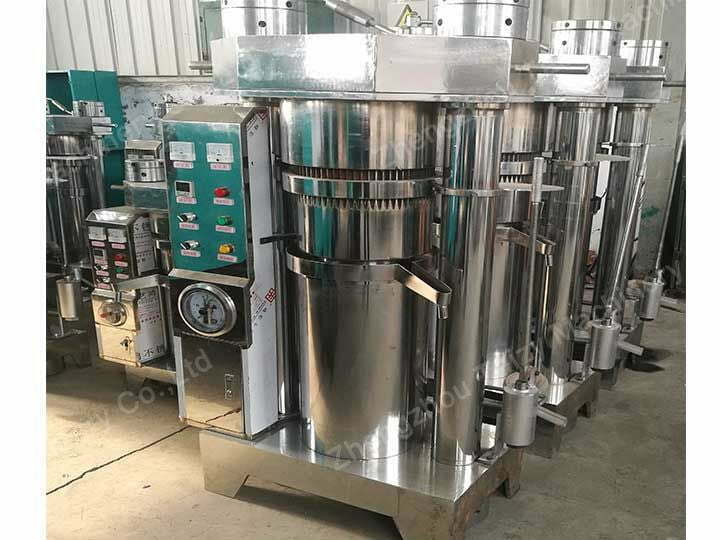
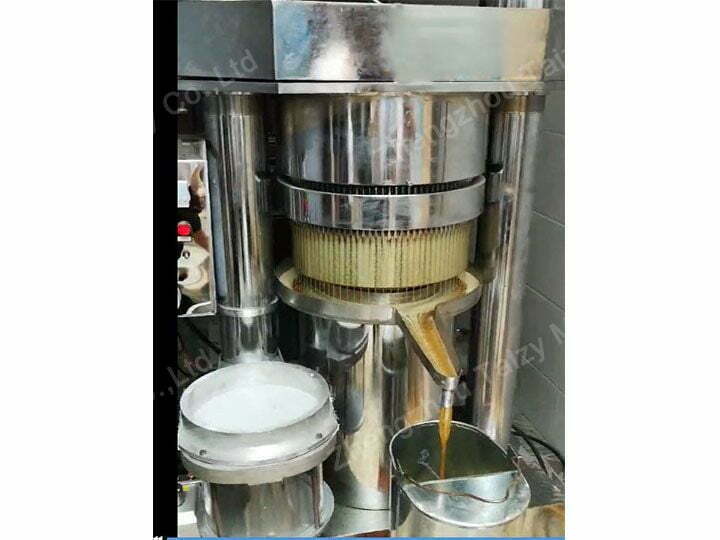
Checklist Item 3: Priorisieren Sie Einfachheit und Bedienkomfort
Ihre Zeit ist wertvoll. Sie benötigen eine Maschine, die mit Ihnen arbeitet, nicht gegen Sie. Eine komplexe, einschüchternde Maschine wird Sie langsamer machen.
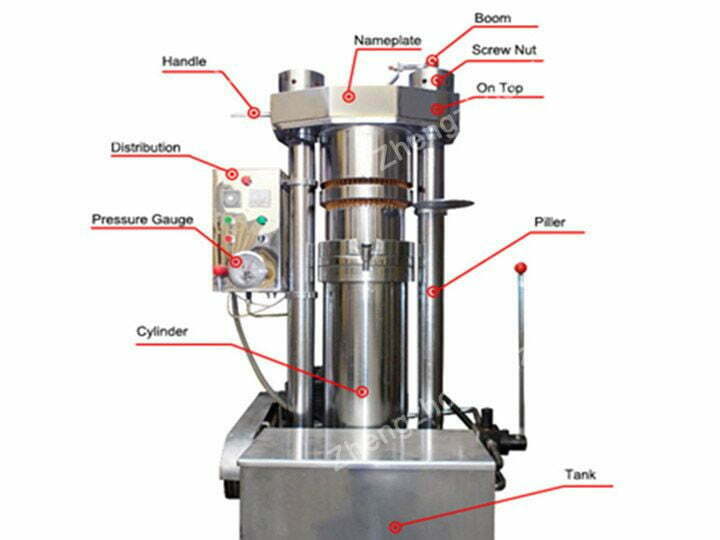
Clear controls: look for a press with a simple, intuitive control panel. A clear pressure gauge and straightforward start/stop buttons are essential.
Easy loading and unloading: the design of the pressing cage or barrel should be easy to access. Models with a wheeled base for the barrel and pressing plates make loading and unloading significantly faster and less physically demanding.
Automated pressure: a key feature of modern hydraulic presses is their ability to automatically manage pressure. You set it, and the machine does the work, stopping when the process is complete. This ensures consistency and frees you up to perform other tasks.
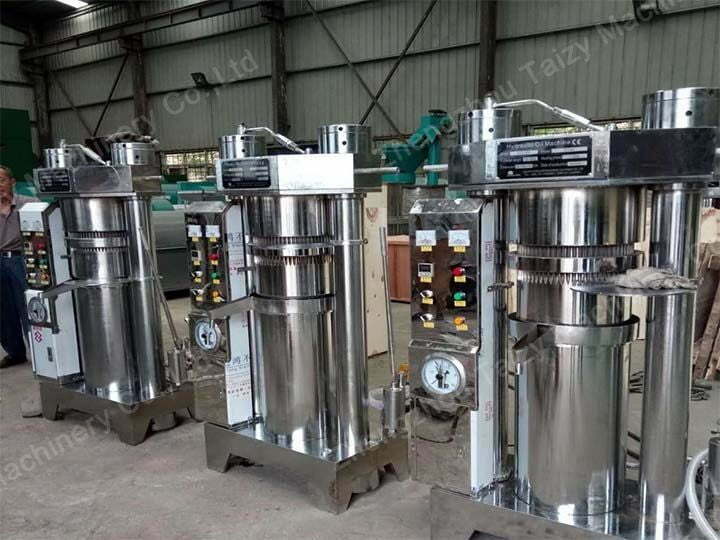
Checklist Item 4: Vergessen Sie nicht Reinigung und Wartung
In der Lebensmittelproduktion ist Hygiene unverhandelbar. Eine Maschine, die schwer zu reinigen ist, ist eine Belastung.
Food-grade materials: insist on a press where all parts that come into contact with the olive paste and oil are made from food-grade 304 stainless steel. This includes the pressing plates, collection tray, and barrel. Stainless steel is non-reactive, durable, and easy to sanitize.
Ease of disassembly: check how easily the core components can be taken apart for cleaning. The pressing plates and filter discs should be simple to remove and wash after each day’s use.
Sealed hydraulic system: a well-designed machine will have a fully sealed hydraulic system. This is crucial to prevent any risk of hydraulic fluid contaminating your precious olive oil.
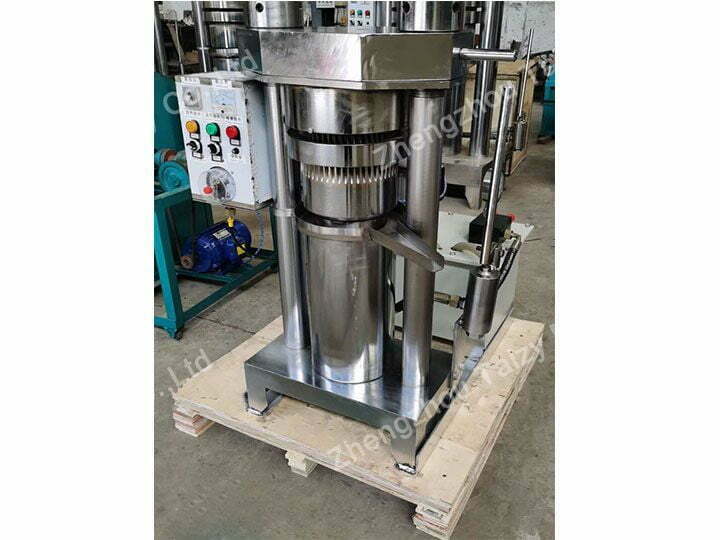
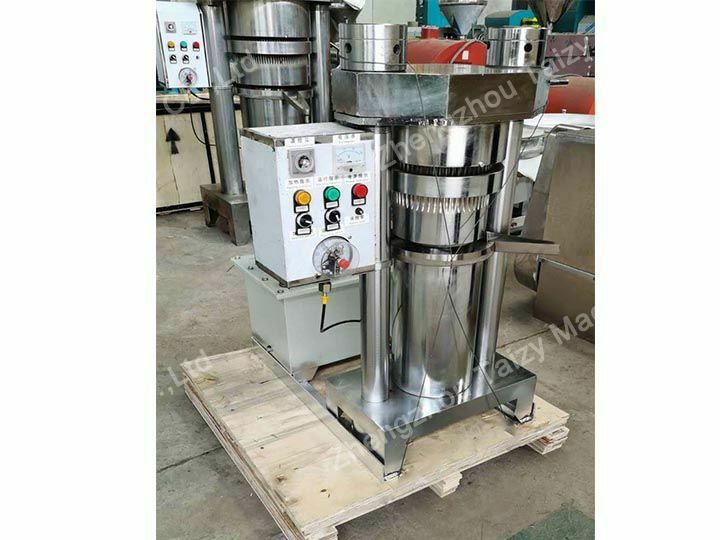
Taizy Hydraulic Olive Oil Press: Designed for Quality and Simplicity
Choosing your first press is a significant step, and we’ve designed our machines to make that choice an easy one. Our hydraulic olive oil presses are built with the boutique producer and small-scale farmer in mind, perfectly aligning with every point on the checklist above:
- Vielseitige Kapazitäten: Wir bieten eine Reihe von Modellen, die perfekt auf Ihre Erntemenge abgestimmt sind.
- Platzsparendes Design: Unsere kompakten, vertikalen Pressen passen problemlos in die meisten Werkstätten.
- Benutzerfreundliche Bedienung: Mit automatischer Druckregelung und intuitiver Benutzeroberfläche sind unsere Maschinen äußerst einfach zu bedienen, sogar für Anfänger.
- Unnachgiebige Hygiene: Wir verwenden ausschließlich lebensmittelechten 304er Edelstahl für alle Kontaktteile, und unser versiegeltes Hydrauliksystem garantiert die Reinheit Ihres Öls.
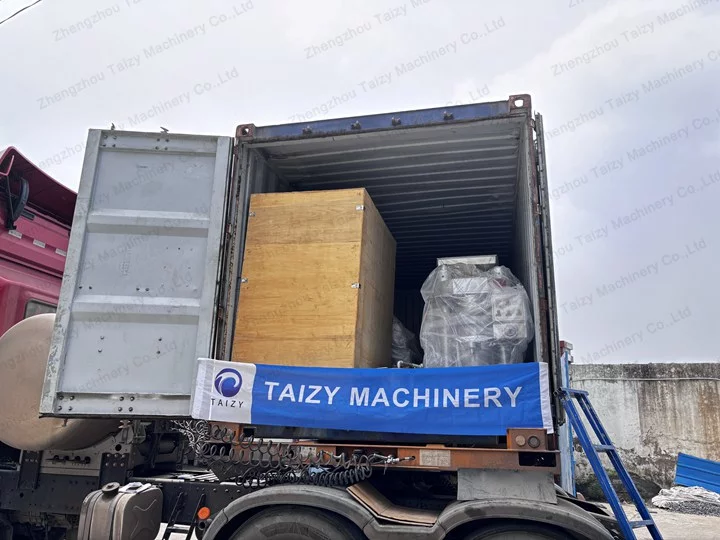

Wir glauben, dass die Herstellung von außergewöhnlichem Olivenöl Freude bereiten sollte, nicht Mühe. Unsere Maschinen sind so konzipiert, dass sie Ihr zuverlässiger, effizienter und leicht zu reinigender Partner für viele Ernteperioden sind und Sie befähigen, Ihre Oliven mit Konsistenz, Reinheit und Stolz in flüssiges Gold zu verwandeln.
Bereit, die perfekte hydraulische Presse für Ihre Olivenernte zu finden? Kontaktieren Sie noch heute unsere Experten für eine persönliche Beratung und ein detailliertes Angebot. Beginnen wir gemeinsam Ihre Olivenölreise!